5 cultural trends in 2023 for the construction industry
Victor K • September 14, 2023
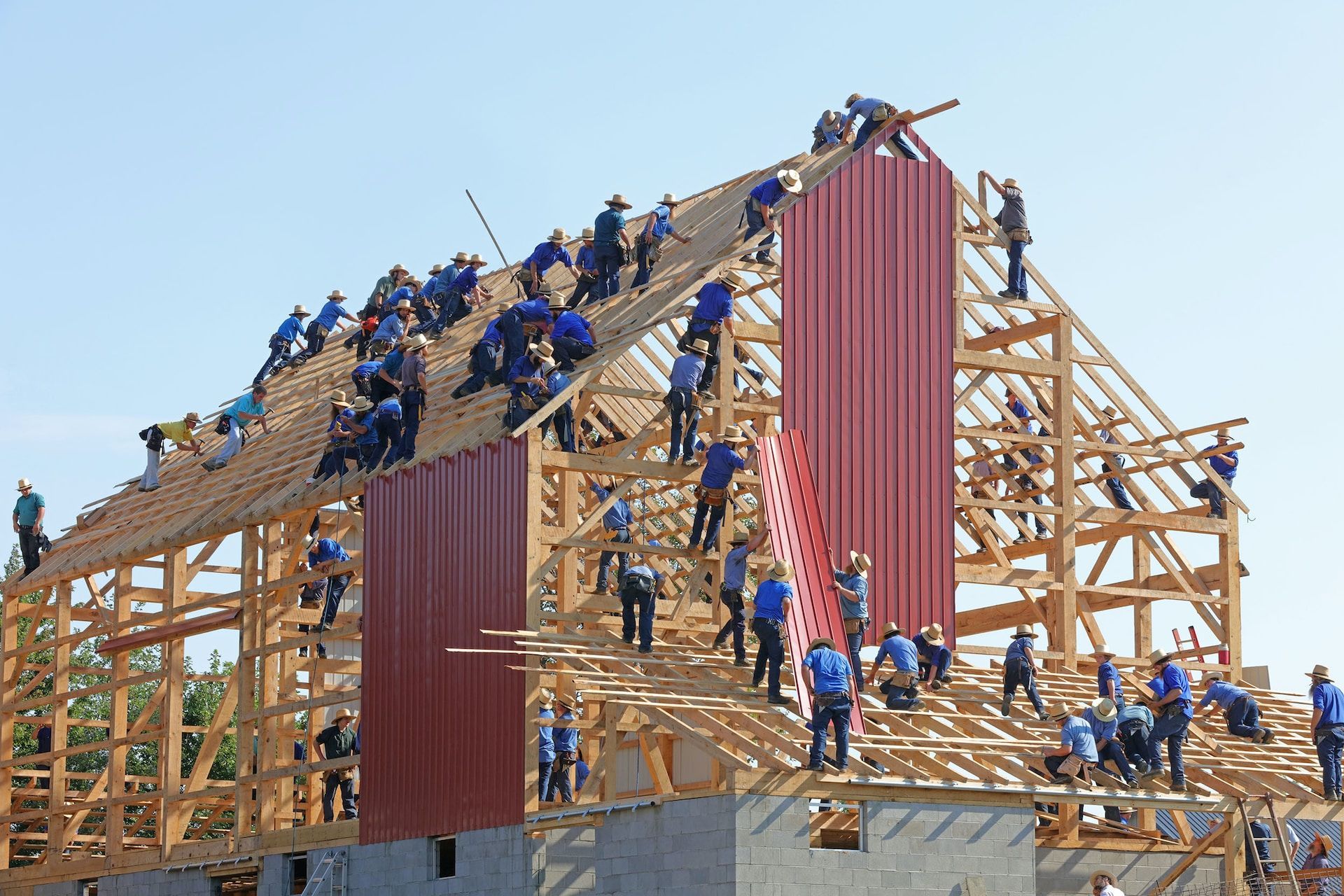
A large group of people are working on a wooden structure.

Many things have changed after the Covid period that has affected all industries across the US. Similarly, a huge paradigm shift has been noticed in the culture of the construction industry in Seattle as well as across the country. The press release is for indicating the 5 major cultural changes in the construction industry.


Cultural Trend#1: Pursuit of Meaningful Work

The pandemic effectively showed employees that they can get the work done in their PJS (the ones working on computer, of course). This is why a sense of work accomplishment is a must for the employees especially working the back rooms. This is particularly why the construction industry is losing skilled labor all the time. As per research conducted by United Seattle, a staggering 69% of employees are looking for a job switch all the time.


Cultural Trend#2: Value of Workplace Environment

The first trend is more related to office related workers like managers, designers and planners. However, a major portion of a construction company are the physical laborists. Work environment for them is of utter importance that brings in diversity, continuous education and safety at the same time. These workers did not have a big chunk of work from home experience because their tasks cannot be performed in the comfort of their home. Furthermore, a feeling of inclusion is required for the employees to feel connected with those running the company from the office. As per research, 72% of employees emphasize the importance of being part of a workplace community.

A woman is giving a presentation to a group of people in a conference room.

Cultural Trend#3: Leader Fatigue

Supervisors play an all important role in the construction industry. It is their job to ensure conformance with laws and building codes. However, it is also their job to ensure safety and job satisfaction of the workers. Balancing this act is more mentally fatiguing and usually forgotten by the higher ups. As a result more than half of supervisors in the construction industry report having acquired additional responsibilities after the pandemic, leading to higher anxiety and increased chances of burnout.


Cultural Trend#4: Rise of Gen-Z

A new breed of workers have started pouring into the construction market known as Gen-Z. They are at time so disconnected with the higher echelon that the leaders don’t even know their lingo. This new generation also consider themselves to be all-rounder and acquire more knowledge than people in the company with more experience. Their generic feeling at the work place is that they are under-valued, under-utilized and not appreciated as much as they should be.
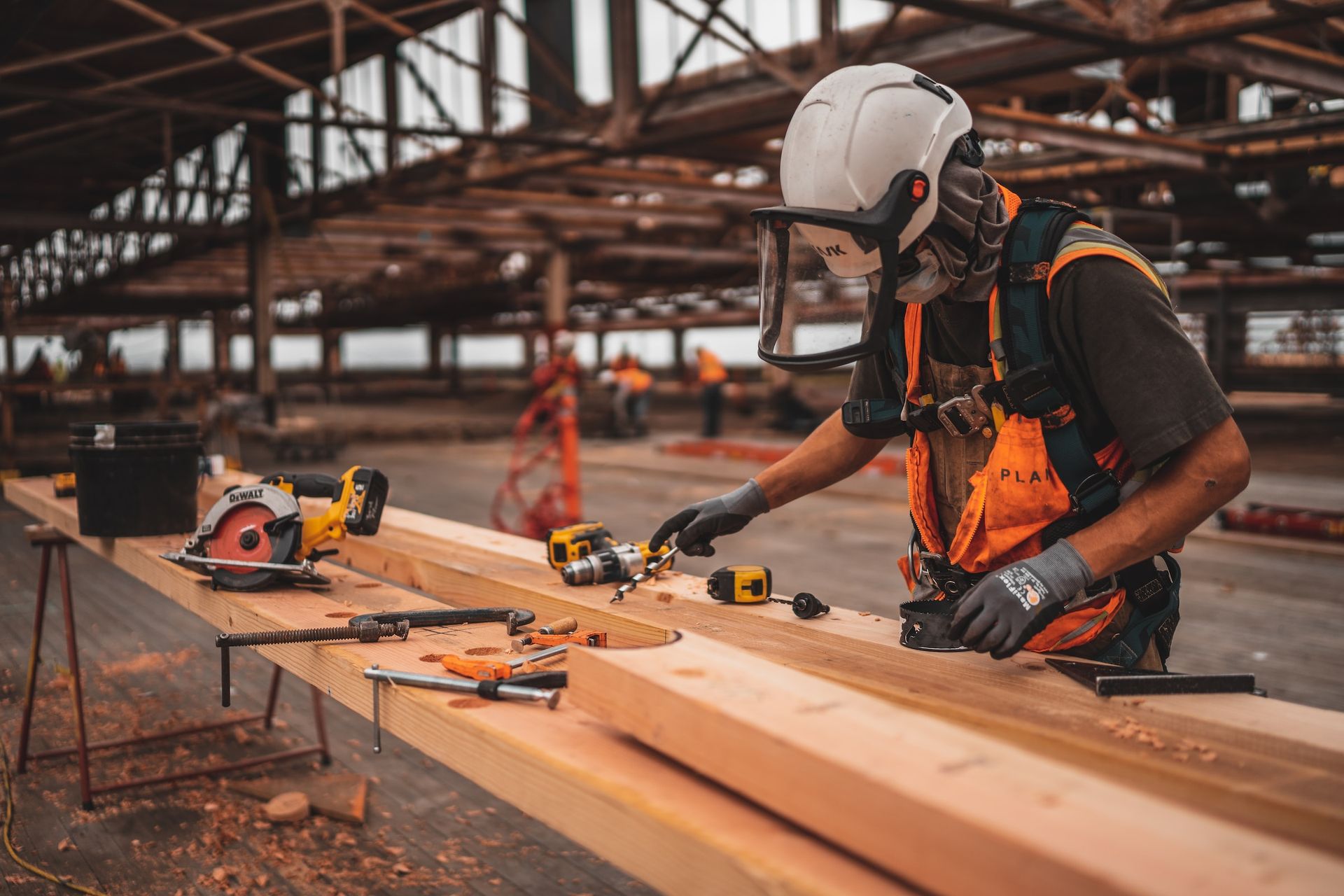
A man wearing a helmet is working on a piece of wood.

Cultural Trend#5: Awards Still Matter

Given construction industry employees' longing for a sense of belonging and connection, companies have the chance to elevate recognition and construct a sense of community by means of symbolic awards. When executed properly, symbolic awards bolster an employee's bond with their team, supervisor, and the entire company. The employee of the month or digger of the month, still matters!!


To conclude, the changing dynamics of construction industry culture in 2023 are shaped by employees' quest for purpose, connection, and acknowledgment, while leaders contend with burnout. Construction companies and subcontractors must adjust by nurturing a feeling of mission, community, and appreciation to effectively retain and engage their employees.

By Victor K April 2, 2026
Look at some of the trends why Seattle homeowners are opting for renovation instead of moving! Click here for more information!
By Victor K March 3, 2026
It is not uncommon knowledge that our generation is paying the most in energy bills as compared to the past generations. Therefore, once a homeowner plans a remodel in Seattle, talking about energy cost savings is a must-have conversation with your commercial subcontractor Seattle. Special emphasis has to be given to the home environment in Seattle due to the humid and rainy conditions all year round. Upgrades that reduce monthly cost provide dual benefits: a reduction in energy bills and an increase in home value. Today, we talk about some major upgrades you should think about while planning for a home remodel. Why Utility Cost Matters Most homeowners miscalculate the amount they are paying extra because of non-energy-efficient homes. The cost trickles down to maintenance cost since HVAC systems are run on overdrive to keep the home warm or cold. The monthly cost + additional maintenance cost becomes a good yearly chunk of your balance sheet. The utility cost is not the only thing that gets battered if energy upgrades are not installed. The value of the home also takes a beating since modern homeowners require these additions as a basic and not just nice to have options. Upgrades that Help Save Energy Cost Experts at United Seattle research and list down their top energy upgrades that not only help reduce monthly costs but also increases home value in the future. Insulation Is Key Insulation holds the key to keeping your home warm/cold without driving up the cost of energy. A trusted commercial construction subcontractor Seattle, like United Seattle , offers insulation services that make your home more energy-efficient and protected against extreme temperatures throughout the year. Options for residential and commercial property insulation include installing fiberglass or using spray foam or cellulose in dry walls , roofs , floors, and even attics, to prevent the heat from escaping. Building subcontractor Washington frequently uses insulation techniques to reduce energy costs later on. Modern HVAC Systems This is by far the best by-product of green living in Seattle. Not only does the carbon emission reduction make the city healthier to live but it also reduces the energy bill, which makes more and more people want to get a modern HVAC system. Commercial subcontractors Seattle is incorporating methods like smart lighting systems, energy-efficient HVAC systems in homes to reduce energy prices, increase home value and provide a better living to Seattle dwellers. Smart Technology Integration The modern day and age has allowed the infusion of technology in the home due to its sheer price reduction and availability. Remote-controlled curtains and automated appliances can add to the overall experience of the home, making it an elegant place to live as well as host an array of people. One can also consider voice-activated systems to control appliances, creating a seamless and futuristic living experience. Apart from the aesthetic benefits, one can use smart thermostats to control the use of energy based on temperature and human presence. This not only reduces monthly bills but also adds value to the home. 
By Victor K February 25, 2026
2026 is one of the most important years in the lives of Seattle dwellers. This is the moment when the debate over moving vs renovating has heated up amid skyrocketing prices for new properties. A simple move decision has turned into a serious financial decision that needs careful thought! All the noise can be diluted down to two numbers: payment math and timeline. The numbers are the only thing you should calculate before deciding on a partial renovation, full-blown add-on, or just getting a new property. A Complicated Decision!! The decision to move has become even harder in the last 5 years than in years gone by. Today, many Seattle homeowners are sitting on mortgages between two and four per cent. That low-rate loan is an asset. Giving it up means replacing cheap money with expensive money. Therefore, a similarly priced home (albeit new) may cost you more due to the 2026 interest rate jump. The interest rate and enhanced payments alone are pushing many homeowners into the remodeling stream rather than the moving one. Understanding Renovation Financing Understanding the financial aspects of the remodel and getting a new home are usually complex processes. The common person is not used to such calculations and may take a rash decision based on vibe rather than math alone. A cash-out refinance replaces your entire mortgage, which rarely makes sense if you’re sitting on a three per cent rate. Construction loans are typically used for large additions or structural transformations. Layered financing is the buzzword as it is better than replacing the original loan. Monthly Payment Puzzle! Your monthly mortgage can jump from $1900 to over $5000 if you take out a $900,000 mortgage for a home that costs over 1 million dollars. This is not just an increase in the monthly payment; everything on your financial balance sheet changes. From the opposite point of view, you take a $250,000 loan for a major upgrade using a home equity loan (HELOC. Even with the current interest rate, it comes down to $2000 a month, which adds to your original monthly payment, keeping the total under $4000. For many Seattle homeowners, that gap is the deciding factor. The Hidden Cost of Moving In Seattle The math above does not include the hidden cost of moving homes and neighborhoods in Seattle. The cost of physical moving, including movers' fees and freight charges, is often under-calculated. In addition, there is a real estate commission that you have to pay as a percentage of the value of both your home sale and purchase. On the buying side, you’ll face lender fees, appraisal charges, escrow, and title costs. Then there’s staging, pre-sale repairs, landscaping refreshes, and actual moving expenses. For a home that costs around a million dollars, the average fee calculated by United Seattle's experts is about $100,000. This is just the cost of moving and has no bearing on your new home design or output. When you include these hidden costs in your five-year financial comparison, remodeling often looks like a very convenient option. Moving Wins Still, but WHEN?? Yes, remodeling is a better option keeping the math in mind. However, it usually disregards the emotional part of the decision. If you are done with the current neighborhood vibe or constantly spending money on home maintenance, then a move to a better home and neighborhood is a wiser decision. The daily commute distance to the school or office also plays a major role, as the cost of it over the next five years should be factored in when weighing an expensive move against a cheaper renovation. Moreover, moving to a smaller property also makes sense if your family members are moving out, as maintaining a large backyard is an annual nuisance. Decision Based On The Future! Always!! Just as with investing in stocks, investing in a renovation or a new home should be kept with the future in mind. Therefore, all math should be done using a 5-year and 10-year model. A home remodel may look cheap now, but added maintenance over the years in an old home can be more expensive than moving into a new home with fewer maintenance costs. The cheaper monthly option is not always the better long-term option, but in Seattle’s 2026 rate environment, remodeling often preserves greater financial flexibility. Cheaper to Add or Buy Big? ADU and DADU in Seattle are among the hottest asks in the industrial market. This is because it instantly adds fiscal value to your property, whether for renting, hosting long-term guests, or creating a workspace. Once you add an addition , you only pay for the renovation (if not financed), and the original mortgage stays intact. This can be a major savings and fiscal addition point over the next decade and must be factored into the decision matrix when choosing between remodeling, an addition, or moving altogether. Timelines Somehow Matter! Oh, the eternal question: how long will the remodel take? If you have to temporarily move out of your home into a hotel or rental, the cost is added to the original renovation cost. This is where a skilled home remodeling company like United Seattle comes in, leveraging its experience to complete the project within the stipulated time and budget. Delays are one of the most common aspects of any remodeling project, which leads to financial loss as well as mental trauma. In principle, remodeling is slower than moving into a new house, but the customization is as per your plan and family needs, which is a big plus! If you can wait out the remodeling process, remodeling is better and cheaper than moving in the long run! 
More Posts

We Offer All the Services You Need in One Place! We Will Save You Time and Money!

Call Us at (425) 521-7916 Now to Get a Free Estimate or a Free Consultation for Any of Our Services!

Contact Us