Labor Market and Workforce Challenges in Seattle

Victor K • July 28, 2023
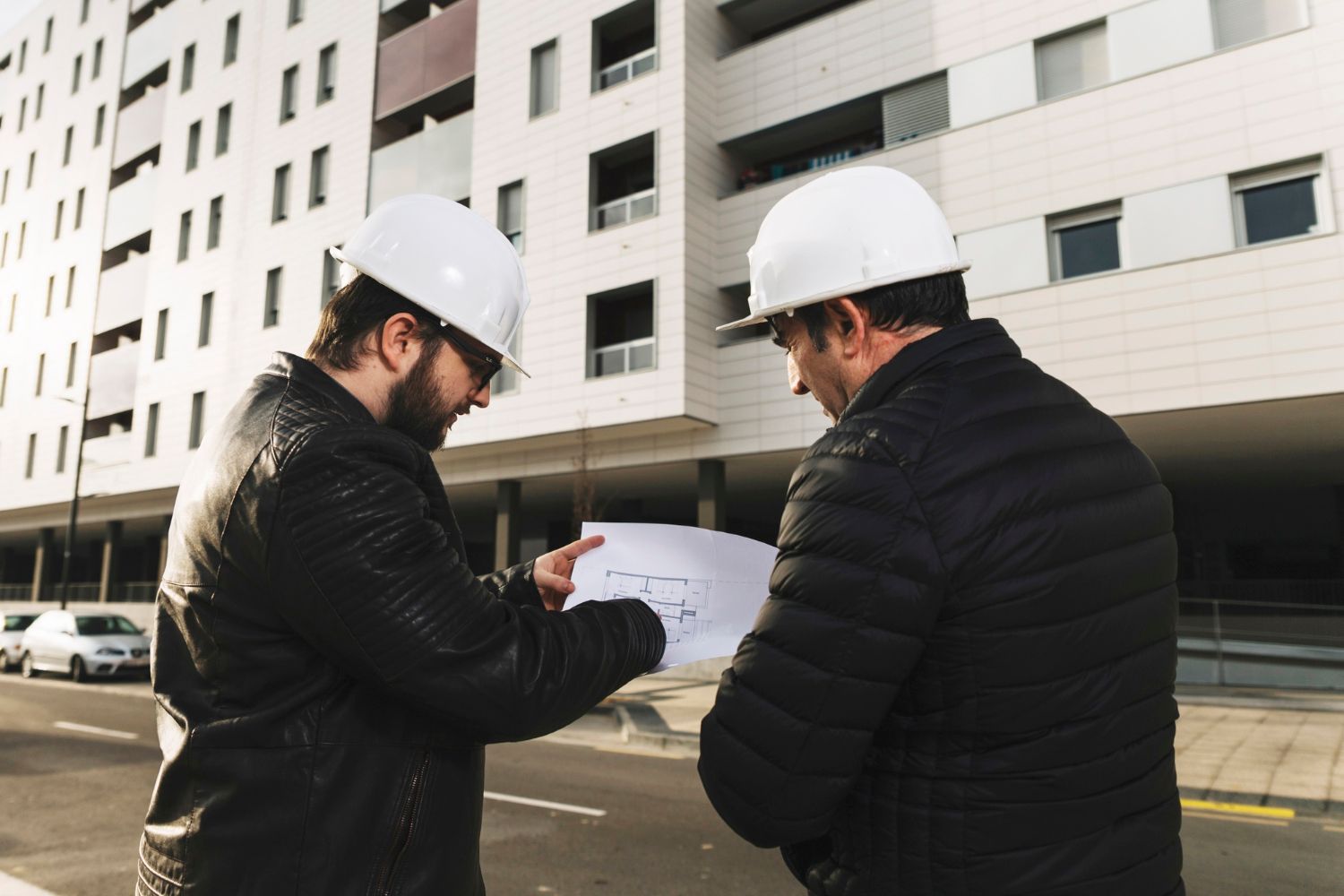
A group of construction workers are standing around a desk in front of a laptop computer.

The construction industry in Seattle is facing historic proportions of labor shortage. This puts a huge amount on project budgets and timelines as skilled labor is becoming scarce by the day. Another reason for this approaching problem is the non-willing of young people to work in the traditional industry like construction. In this news release, we look at the workforce-related challenges the Seattle construction industry is facing and how professionals at United Seattle are trying to make a difference.


The Timelines

Seattle's construction industry is facing a big problem - there aren't enough skilled workers to keep up with all the building projects. Because the city is growing so fast and there's a lot of construction happening, they need carpenters, electricians, plumbers, and masons, but there aren't enough of them to go around.


Because of this shortage, building projects are taking longer than they should, and sometimes they end up costing more money than planned. This is not good for the developers who are trying to build new things, and it can also slow down the city's economy. The construction industry needs to find a way to attract and keep skilled workers so that they can finish projects on time and keep the city growing.


Skill Retention

In Seattle's construction market, companies are trying hard to get and keep skilled workers. They are creating good training programs and apprenticeships to teach new workers important skills. These programs help close the gap between the skills workers have and the skills they need. Companies are also offering good pay and benefits to get skilled workers to choose them over other companies.


They know that keeping experienced workers not only makes the work better but also makes workers want to stay with the company for a long time. However, it is one of the biggest challenges the construction industry is up against, and future trends show that it will get worse with time. It is about time that further incentives are instituted in the construction industry so more workers are attracted to it rather than repelling the already available skilled workforce.


Safety and Security

In Seattle, construction companies are working hard to keep workers safe, even with labor shortages and skilled worker challenges. They know that construction sites can be dangerous, so worker safety is a top priority. Employers are taking strong safety measures, like training workers on how to use equipment safely, identifying hazards, and using protective gear like hard hats and gloves.


New technology is also helping to improve safety. Drones are used to check sites for hazards, and wearable devices monitor workers' health and fatigue, alerting supervisors if there are any risks. However, these methods are to be advertised as a lack of knowledge is just keeping the new workforce away from an industry known to have a high accident rate. Companies are also promoting a culture of safety, where workers feel comfortable reporting problems and discussing safety concerns in regular meetings.


Final Verdict

Seattle's thriving economy and urban development present opportunities and challenges for the construction industry. Labor shortages are a concern, causing delays and potential cost overruns. Yet, construction companies strive to retain skilled workers through training and incentives. Safety remains a top priority, with investments in training, technology, and measures to protect the workforce. The construction sector will play a vital role in shaping Seattle's skyline, and addressing labor challenges while prioritizing safety will enable it to contribute to the city's growth and prosperity.


By Victor K • October 8, 2026
All commercial projects depend heavily on coordination between the general contractor and the commercial subcontractor in Seattle. However, there are many aspects of the coordination that GCs miss out on, which directly results in project delays and disputes. Each task separately presents a different challenge for both parties. Therefore, the commercial construction subcontractor Seattle requires specialization in any aspect they are picked for. Once the trades operate independently and without cohesion, they provide a massive challenge for the GC. Working with an experienced design-build contractor like United Seattle can ease most of the problems that a GC can face over the period of the project. By bringing design coordination and trade-specific expertise together early, a subcontractor can help general contractors identify potential conflicts, streamline installation, and reduce uncertainty across the exterior envelope scope. Understanding the basics lets a GC stay on top of the project and make a meaningful difference in the delivery timelines and cost. What Does Design-Build Mean at the Subcontractor Level? Design-build in Seattle is often defined as one commercial subcontractor Seattle providing all the required services. However, these services can come in packages once the project is large in size and capacity. It is practically impossible for one building subcontractor Washington to have expertise in all departments, and this is where packaged delays come into play. The GC has to be careful that these combined packages are made in such a way that the tasks are cross-linked so delays can be avoided through proper workflows. For example, the exterior works like roofing, siding , windows, and waterproofing can be done through one commercial construction subcontractor Seattle, whereas the interior including ceiling, flooring , bathroom and kitchen renovation can be through another. The best way to go about it for a GC is to delegate design responsibilities to the respective construction management subcontractor. This approach offers access to specialized expertise without requiring the general contractor to coordinate every technical detail between separate exterior trades independently. Why Early Subcontractor Involvement Matters Many GCs make a common mistake of getting the design done and then involving the commercial subcontractor Seattle. This often leads to design and capability conflicts for both parties. It also helps in maintaining linear timelines so one trade is ready to start their job once the previous team is in its final stages of work. This is easily done once one commercial construction subcontractor Seattle provides the majority of the trade tasks. If the issues are discovered mid-project, they can easily lead to delays in the project as well as disputes that put the whole project on hold. The commercial construction subcontractor Seattle loses money, whereas the GC loses credibility for the future.
By Victor K • September 22, 2026
General contractors or GC often look out for a complete package in their commercial subcontractor Seattle. The enormous task of combining multiple commercial construction subcontractor Seattle for a single project is a recipe for disaster and all GCs know this well. However, when it comes to selecting that one, the cost bid must not be the only criterion. The lowest bid might not have the overall expertise that is required for the project. GCs can bundle all the tasks and award them to one construction management subcontractor. However, the cost comparison between a single commercial subcontractor Seattle or multiple ones is not linear as lower coordination costs, fewer scope gaps, and better schedule control must also be taken into account. Total Installed Cost Vs. Trade Pricing In simple mathematical terms, the total project cost is just the amount the commercial subcontractor Seattle charges the GC. However, factors like Trade bid price, coordination cost, schedule exposure and change-order exposure must also be taken into account while pricing for a singular or multiple construction management subcontractors. The GC can simply request a quote for each task, generate competition and get the lower cost. However, the factors listed account for additional cost in this scenario as the GC needs to coordinate multiple contracts, schedules, site mobilizations, foremen, RFIs, submittals, invoices, inspections, and handoffs. A single-source commercial subcontractor Seattle like United Seattle may cost more than a competitive breakdown of subtasks but the additional factors are eliminated and long-term cost and time savings are achieved. Schedule Float Vs. Small Bid Difference Multiple tasks have multiple timelines which are often linear rather than parallel. This means that one commercial construction subcontractor Seattle needs to wait for the other one to complete their task before starting. An ideal example of this is flooring and drywall installation. One cannot be done before the first task is completed. A delay in the earlier task can lead to delays, extra cost and rising disputes, all of which have a price tag that the GC has to pay. Therefore, calculations are to be carried out before using multiple contractors rather than one. For example, if a bundled subcontractor costs $30,000 more than the combined lowest trade bids but gives the project team additional schedule flexibility and reduces the likelihood of a costly sequencing delay, that $30,000 should not be evaluated in isolation.
By Victor K • September 14, 2026
Learn how to vet a commercial subcontractor before signing. Check licensing, bonding, insurance, safety, capacity, references, and project management.
More Posts

We Offer All the Services You Need in One Place! We Will Save You Time and Money!

Call Us at (425) 332-8088 Now to Get a Free Estimate or a Free Consultation for Any of Our Services!

Contact Us