
Preventing Mold & Mildew via Proper Insulation

Insulation might seem like an additional expense at the time of renovation but it provides both short term and long-term benefits. The first and foremost benefit is saving cots which can also be looked at from two viewpoints. The first being immediate saving of cost that includes energy bills, lower HVAC system usage which saves in bills as well as future maintenance cost. The second aspect in provision of a homely environment which also leads to higher valuation of property. Therefore, getting insulation for Siding Options for Coastal Homes Seattle and Roof Ventilation Tips Greater Seattle Area is a smart choice rather than a money spending one.
Understanding Mold and Mildew: What’s the Difference?
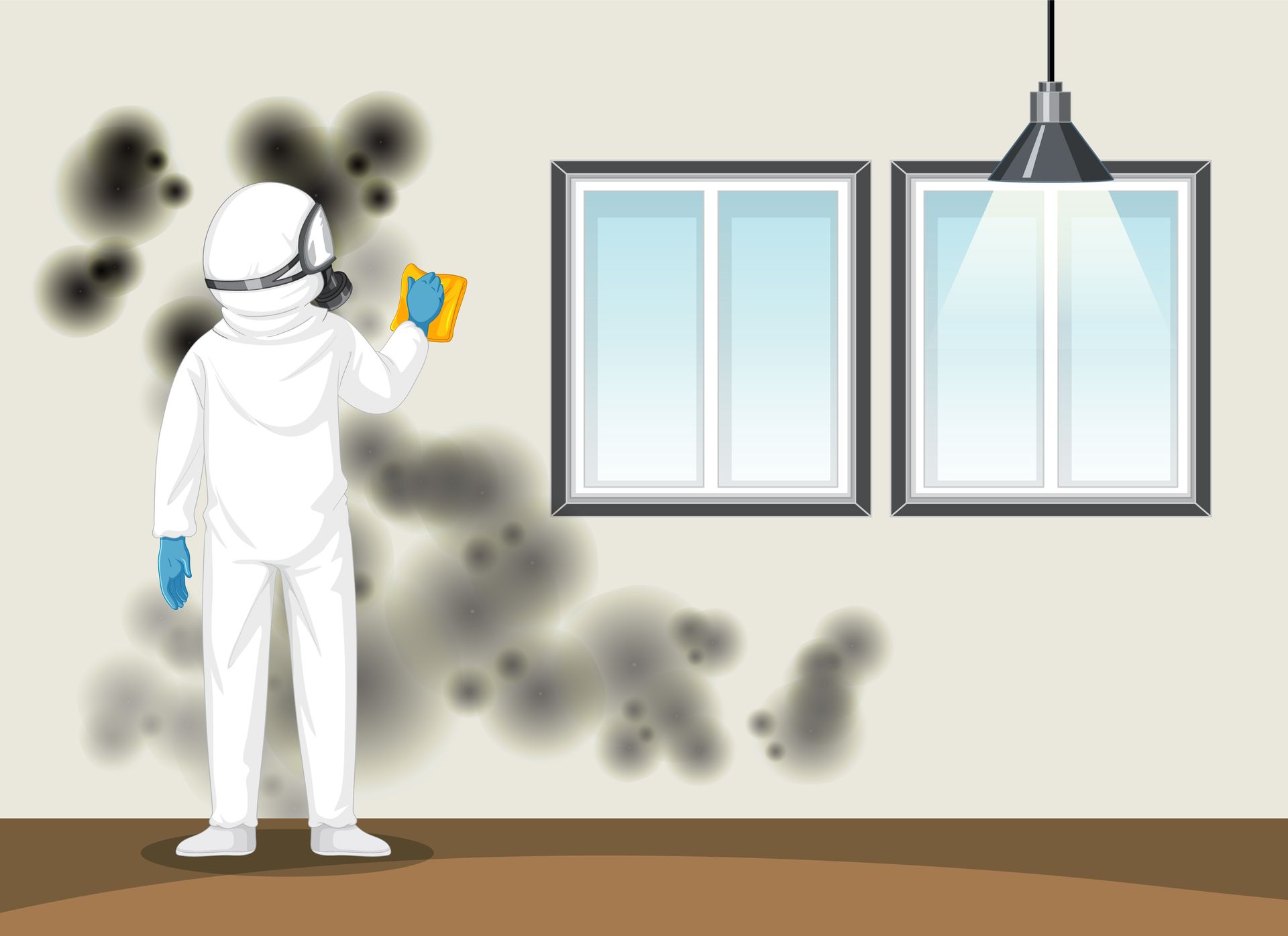
Mold and mildew are both types of fungi, but they behave slightly differently in homes. Mildew is usually surface-level and easier to clean, often appearing as a powdery or fluffy substance on bathroom walls or window frames. Mold penetrates deeper into materials like drywall, insulation, and wood framing. Once mold takes hold behind walls or above ceilings, it becomes significantly more difficult and costly to remediate. Preventing both requires controlling moisture before it accumulates.
Types of Insulation Available
Insulation is key for saving energy. Today, many materials are available to meet different needs. The right insulation can lower energy use, improve comfort, and increase a property's value. Experts at TOV Siding assist in selecting the main course before we dive into the specifics.
Traditional Insulation Options
For decades, traditional insulation has been a top choice. Fiberglass batts and rolls are favorites. They're made from glass fibers and come in various thicknesses and R-values. Cellulose and mineral wool are also traditional picks. Cellulose comes from recycled paper and is fire-resistant. Mineral wool, from natural or synthetic fibers, is also fire-resistant. Yet, traditional insulation has its downsides. Fiberglass can get damaged by moisture and doesn't work well in tight spots. Cellulose and mineral wool are pricier and can settle over time, affecting their performance.
Modern Insulation Solutions
Modern insulation options are gaining fans for their better performance and flexibility. Spray foam insulation is a top choice. It expands to fill gaps, offering great energy efficiency and air sealing.
Rigid foam board insulation is another modern favorite. It has high R-values and works well in many places, like exterior sheathing and interior walls. Reflective and radiant barriers are also used to keep heat away in warm climates.
Eco-Friendly Insulation Alternatives
Eco-friendly insulation is becoming more popular. These materials use recycled or natural products, making them better for the environment. Examples include recycled denim, sheep's wool, and recycled plastic insulation.
These options not only help the planet but also offer benefits like natural moisture control and better air quality. However, they might be harder to find and more expensive. Some may need special installation.
Selection Of Insulation Material
Once the type of insulation material is selected, the next question becomes what material should a homeowner choose. There is no right answer that fits all since all homes are built differently and so are their insulation requirements. Some of the most asked for insulation material is listed below so you can choose according to your home and its requirement.
Spray Foam
Spray foam insulation services are a modern way to make homes more efficient. It's applied as a liquid that expands to fill gaps, creating a tight seal. This stops air leaks, saving energy and cutting down on bills. The main advantages of spray foam include
- Up to 30% less energy use
- Resists pests and decay
- Keeps indoor temperatures steady
FiberGlass
Fiberglass is made of fine glass strands, treated to resist fire. It can handle moisture but might settle, making it less effective over time. Cellulose, on the other hand, is from recycled paper pulp and has borate additives for fire and pest protection. It's dense, eco-friendly, and cost-effective for attics or walls.
- Fiberglass: Lightweight, easy to install in open spaces.
- Cellulose: Higher R-value per inch, ideal for tight spaces.
Cellulose
Cellulose comes from recycled paper and is fire-resistant. Mineral wool, from natural or synthetic fibers, is also fire-resistant. Yet, traditional insulation has its downsides. Fiberglass can get damaged by moisture and doesn't work well in tight spots. Cellulose and mineral wool are pricier and can settle over time, affecting their performance.
Rigid Foam
Rigid boards are the most sought-after insulation material due to low cost and higher insulation life. These might not take any kind of shape but the price makes up for this short coming. These products cut down on noise and improve air flow, meeting today's building needs. It's key to install them right to avoid wasting energy and to make buildings last longer.
Mineral Wool
Mineral wool I basically recycled denim, sheep's wool, and recycled plastic insulation. These options not only help the planet but also offer benefits like natural moisture control and better air quality. However, they might be harder to find and more expensive. Some may need special installation.
Improve Airflow
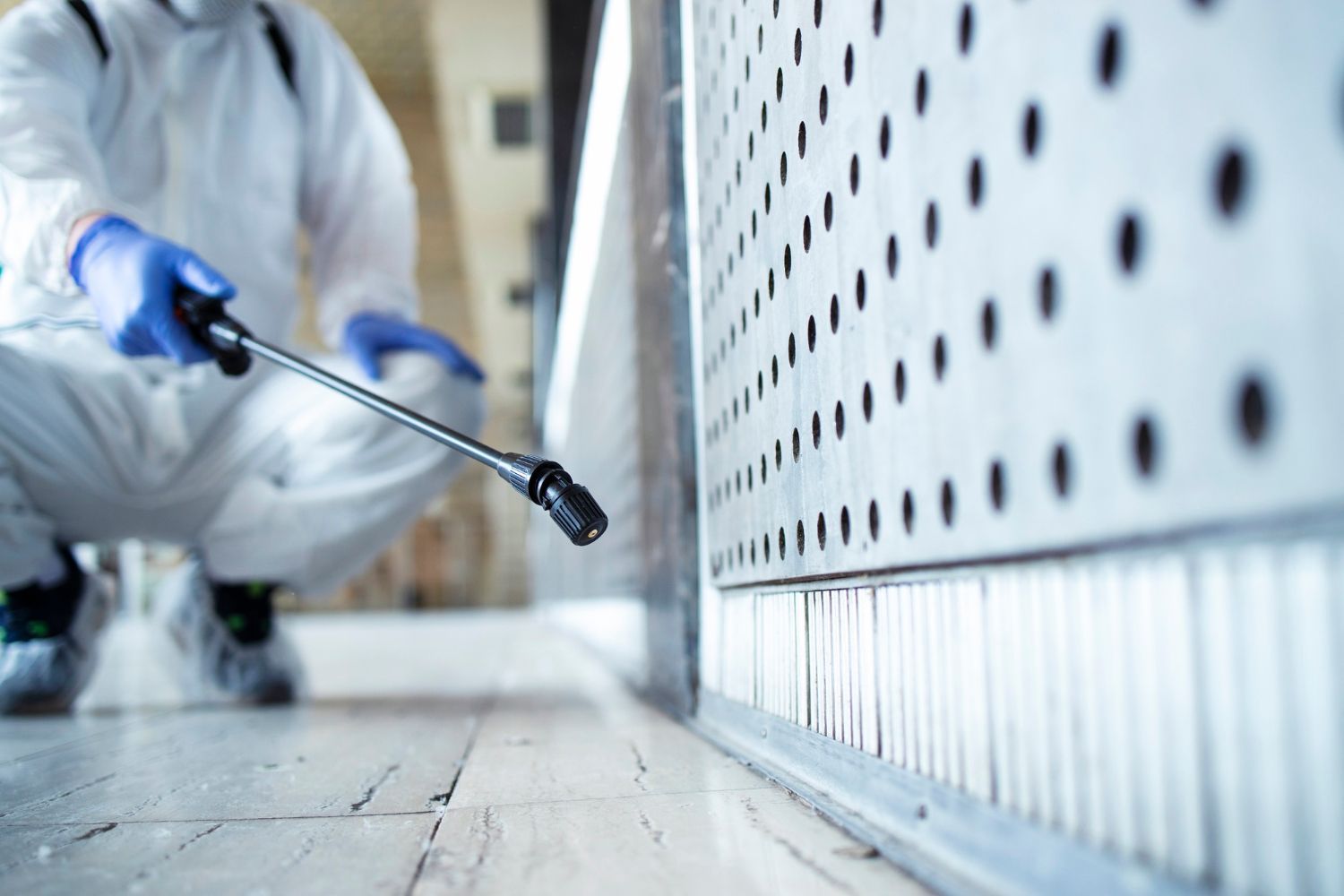
Insulation is important but it can only work with all the other factors required to keep mold and water reserve at bay. One of the key factors in this regards is ventillation. Proper ventilation is essential for reducing moisture buildup and preventing mold growth in crawl spaces. Depending on the home’s design, you may need passive or mechanical ventilation. If vents are present, they should remain open and unobstructed to promote airflow. An exhaust fan can be added to enhance circulation and remove humid air. In cases where the crawl space is encapsulated, a dehumidifier is necessary to maintain optimal humidity levels and prevent moisture-related issues.
Technology Can Help
Another factor that old-school commercial subcontractor Seattle misses out on is the usage of technology. This includes automatic de-hydration of the area and using it to create a lack of humidity. Moreover, automated ventilation and closing of gaps with weather sensors is not new technology but somehow still evades the logic of the construction industry. This is where your commercial project management Seattle company can stand out in the farm of subcontractors and general contractors.
Bathroom And Kitchen Are First To Go!
Bathrooms and kitchens generate the highest levels of indoor moisture. Showers, baths, cooking, and dishwashing all release large amounts of water vapor into the air. In Seattle homes, exhaust fans must be properly sized, vented directly outdoors, and used consistently. Fans that terminate in attics or crawl spaces actually worsen moisture problems. Effective local ventilation in these rooms significantly reduces the overall moisture burden in the home.
Crawl Spaces and Basements: Managing Ground Moisture
Many Seattle homes have crawl spaces or basements that are exposed to ground moisture. Without proper insulation and vapor barriers, moisture rises into the home, affecting air quality and encouraging mold growth. Encapsulated crawl spaces, insulated foundation walls, and controlled ventilation can dramatically reduce moisture intrusion. Addressing these lower-level areas is often one of the most impactful mold preventions measures a homeowner can take.
Regular Inspections Are Key
Another way of making money as a subcontractor without offering much physical service is by providing regular inspections of homes susceptible to moisture and bad drainage. The same inspection can turn into a full-blown project. However, be careful of milking the customers since it brings a bad reputation. Always remember that your sole purpose as a building subcontractor Washington should be to make a name for yourself. The projects and regular clients will soon follow suit like in the case of United Seattle.
Why Professional Installation Is Important?
Not all contractors have the set of abilities to cater for all kinds of insulation services. Therefore, finding the right one is equally important to finding the right type and material. Th best material cannot provide you with the optimum insulation benefits if not installed correctly. Insulation should be looked at as an investment whereas the hiring of the right and experienced insulation contractor is included. Once the correct methods have been deployed, the insulation not only lasts longer than its intended use but also provides the benefits declared by the manufacturer.
You can get a free inspection for your current insulation and ventilation by experts here!



We Offer All the Services You Need in One Place! We Will Save You Time and Money!
Call Us at (425) 332-8088 Now to Get a Free Estimate or a Free Consultation for Any of Our Services!