
Essential Reasons to Prioritize Roof Maintenance in Kent’s Climate
Roofs are more than just the protective crowns of homes—they are fundamental to safety, comfort, and long-term property value. In regions like Kent, Washington, where wet winters, variable temperatures, and seasonal storms dominate the climate, roof maintenance is not just a suggestion; it is a necessity. Homeowners in the Pacific Northwest often underestimate how dramatically weather patterns impact roofing structures until costly damage emerges.
Proactive roof maintenance ensures households remain safe and dry while preventing financial strain caused by neglect. Let’s explore why routine attention to roof health matters for Kent residents, what unique risks the local environment imposes, and how timely care maximizes both durability and peace of mind.
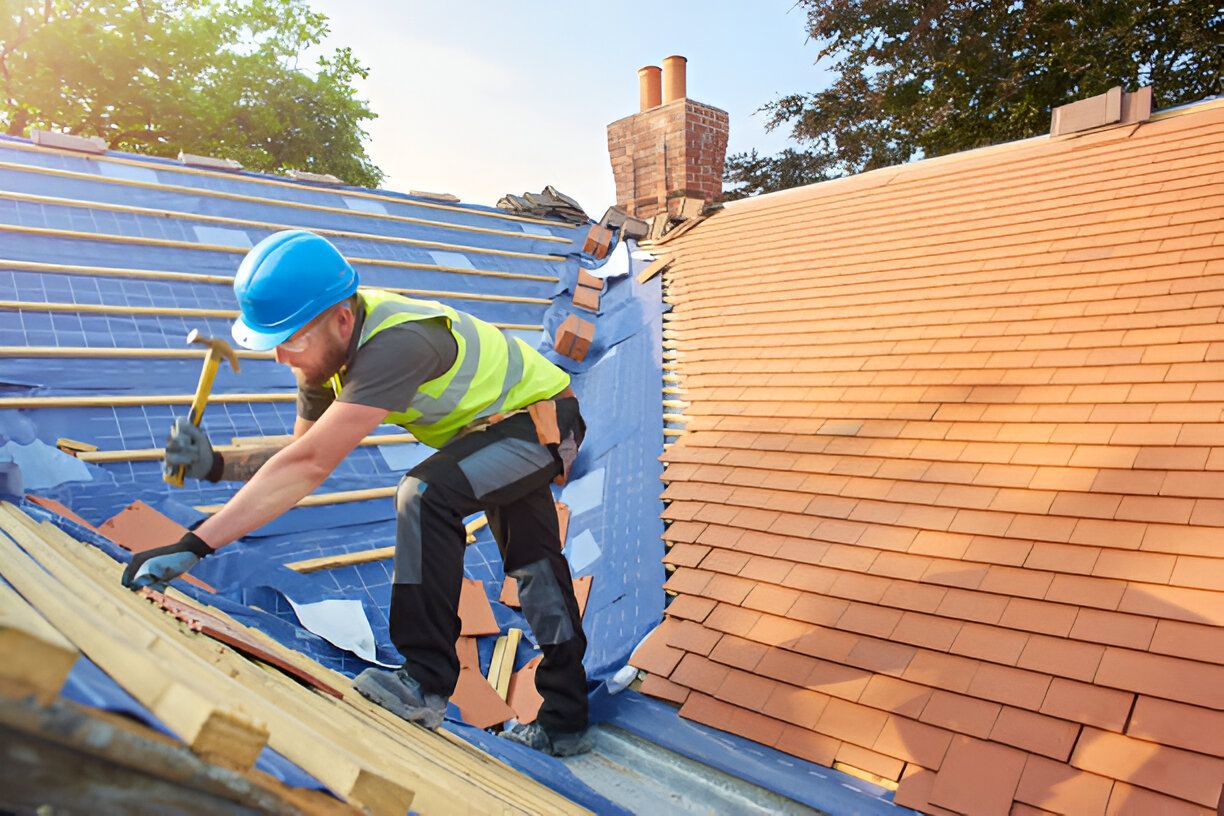
Understanding Kent’s Climate and Its Impact on Roofs
Kent lies in the heart of Western Washington and experiences a maritime climate influenced by the Puget Sound and Cascade Mountains. This environment brings frequent rainfall, occasional snow, and extended dampness throughout the year.
1. Heavy Rainfall
Kent typically experiences rainfall on over 150 days annually. Continuous moisture exposure creates conditions for moss, algae, and mold growth, which, if left unchecked, deteriorate shingles and weaken roof decks.
2. Seasonal Storms
Strong gusts of wind and stormfronts can dislodge shingles or lift flashing around chimneys and skylights. Even minor displacements can quickly become leaks during the next downpour.
3. Freeze-Thaw Cycles
During colder months, water infiltrates small cracks in roofing materials. When temperatures drop, water expands into ice, exacerbating the cracks and leading to more severe damage over time.
4. Extended Cloud Cover and Dampness
Moss thrives in shaded, moisture-heavy conditions, eating away at roofing granules and compromising shingle function. This is not just an aesthetic issue but also one that undermines roof performance.
With these elements in play, it is easy to see why roofing upkeep in Kent requires prioritization.
The High Cost of Neglect
Too many homeowners take a reactive approach, only calling for professional help when significant leaks or visible damage appear. Unfortunately, by the time these signs emerge, the underlying problems may already be severe.
- Leaks escalate quickly: A small, unnoticed drip can spread into deeper underlayment layers, damaging insulation, drywall, and interior paint.
- Structural risks rise: Persistent water intrusion can compromise roof trusses, rafters, and even the foundation.
- Energy efficiency declines: Heat escapes during winter and cool air leaks out in the summer, increasing energy bills.
- Resale value diminishes: Prospective buyers in the Washington real estate market pay close attention to roof condition. A poorly maintained roof often results in reduced offers.
Preventive maintenance is not a cost—it’s an investment in your home’s structural integrity and long-term affordability.
Roofing Maintenance Checklist for Kent Homeowners
To actively protect property in Kent’s specific climate, homeowners should adopt a proactive maintenance routine.
1. Annual Roof Inspections

Schedule professional roof inspections at least once a year. Inspectors identify early warning signs like curling shingles, minor punctures, or deteriorated flashing before they transform into costly repairs.
2. Seasonal Gutter Cleaning
Clogged gutters from pine needles, leaves, and other debris inhibit proper drainage. When water backs up, it can infiltrate under shingles and rot fascia boards. Cleaning gutters after each fall and spring season is essential.
3. Moss and Algae Control
Apply preventive moss control treatments or zinc strips to inhibit growth. Manual removal should be handled carefully to avoid damaging shingles.
4. Attic Ventilation Check
Maintaining airflow in the attic prevents condensation buildup that warps wood and encourages mold spread. Poor ventilation also reduces the life expectancy of roofing materials.
5. Flashing and Sealant Review
Examine flashing around chimneys, skylights, and vents. Over time, flashing can pull away or degrade, creating the perfect entry point for leaks.
6. Prompt Damage Response.
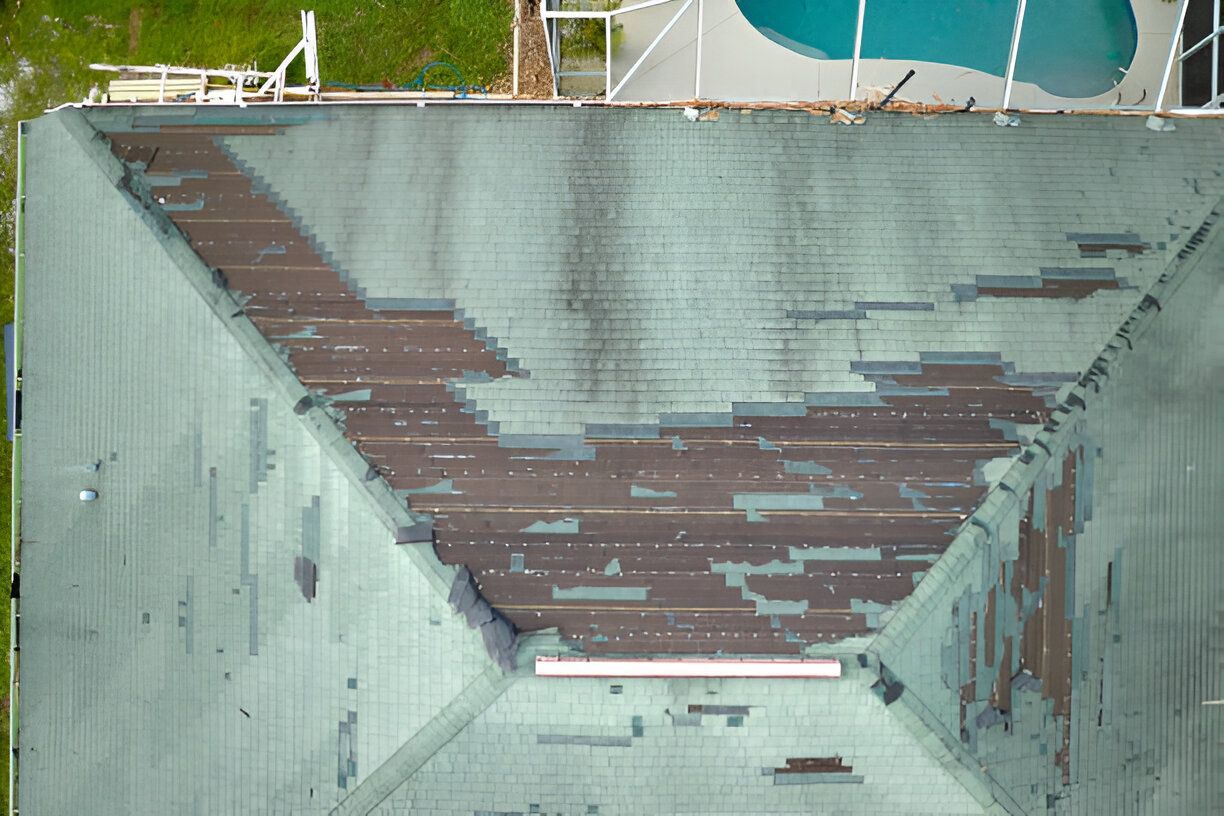
After severe storms, inspect for missing shingles or loose materials. Fast action can mitigate further structural compromise.
Benefits of Regular Roof Maintenance
By making roof upkeep part of a home maintenance strategy, Kent residents secure a wide range of advantages.
Extended Roof Lifespan
Routine attention adds years to a roof’s functional life. Shingle roofs that might otherwise last 15-20 years could stretch closer to 25 with proper maintenance.
Enhanced Energy Efficiency
Strong, intact roofs retain heat during chilly Northwest winters and improve insulation during summer heatwaves. This reduces utility costs year-round.
Mitigation of Expensive Repairs
Proactive inspections cost far less than emergency repairs. A modest maintenance budget can prevent thousands in renovation costs caused by unchecked leaks.
Protection of Interior Assets
From furniture and flooring to electronics and family heirlooms, roof protection extends to everything beneath it.
Preserved Market Value
In Washington’s competitive housing market, homes with well-documented roofing maintenance histories stand out to buyers and appraisers.
Why Professional Assistance Matters
While DIY checks can catch obvious concerns, roof systems are complex. Professional roofing contractors bring experience, training, and specialized equipment to uncover and resolve subtle issues. Moreover, expert crews understand the most effective materials and treatment options suited for local weather patterns.
In Kent, seeking help from trusted professionals ensures roofing work is tailored to regional needs. Homeowners searching for Roofing Kent WA experts will discover that reputable contractors not only repair but also educate customers about preventive habits—bridging knowledge gaps that keep homes protected long-term.
Comparing Kent and Bellevue: Roofing Demands Across Cities
Though both Kent and Bellevue share the Pacific Northwest climate, subtle differences exist. Bellevue, with its slightly higher elevation and affluent residential districts, often emphasizes aesthetic appeal alongside functionality.
Many roofing companies Bellevue homeowners rely on specialize not only in durability solutions but also in premium upgrades, like architectural shingles, metal roofing, or eco-friendly options such as green roofs and solar panels. Kent homeowners, meanwhile, often prioritize practical weatherproofing and storm resistance above luxury enhancements—though crossover trends are becoming more common.
This regional variation underscores why partnering with local experts, familiar with neighborhood conditions, always results in the best maintenance outcomes.
Signs That Your Kent Roof Needs Immediate Attention
Even the most cautious homeowners may overlook key indicators that the roof needs urgent care. Stay alert for:
- Missing or cracked shingles after heavy storms
- Granule loss (sand-like material building in gutters)
- Water stains on ceilings or walls inside the home
- Sagging rooflines indicating structural weakening
- Excessive moss growth despite prior treatments
- Drafts or fluctuating indoor temperatures
- Delaying resolution of these symptoms can exponentially increase repair bills.
Sustainable Roofing Practices for Washington Homes
The Pacific Northwest has a strong tradition of environmental awareness, which extends into roofing. Kent and Bellevue homeowners alike can choose eco-friendly practices:
- Cool roofs: Reflective materials that keep homes cooler and reduce energy consumption.
- Metal roofing: Durable, recyclable, and resilient against moisture.
- Rainwater harvesting systems: Roof configurations designed to collect water for sustainable landscaping.
- Green roofs: Rooftop gardens that insulate homes, reduce stormwater runoff, and beautify communities.
Incorporating sustainability into maintenance not only benefits the home but also aligns with broader environmental values cherished across Western Washington.
The Role of Insurance and Warranties
Insurance companies often require documentation of routine maintenance before approving claims related to roof damage. Ignoring upkeep can complicate claims, leaving homeowners exposed to high out-of-pocket expenses.
Additionally, roofing warranties may become void if neglect is proven. Professional inspections every year not only provide peace of mind but also fulfill requirements set by manufacturers and insurers.
Practical Tips for Year-Round Maintenance
- Spring: Inspect for storm damage, remove debris, and check for new moss growth.
- Summer: Schedule professional treatment for moss/algae, reseal flashing, and repaint exposed wood.
- Fall: Prioritize gutter cleaning before heavy rains.
- Winter: Keep an eye on ice dams and ensure insulation prevents heat loss through the attic.
Having a seasonal checklist ensures ongoing care without feeling overwhelming.
See Also: Residential vs. Commercial: How Seattle Roofing Companies Handle Both
Final Thoughts: Prioritising Roof Health in Kent’s Climate
The roof is the most critical barrier against Kent’s relentless rains, unpredictable storms, and moisture-heavy atmosphere. Neglecting its care is a gamble with high risks to safety, finances, and comfort. By embracing preventive maintenance, Kent homeowners can extend their roof’s life, improve energy efficiency, and secure their property’s value for years to come.
Roof upkeep is not an optional task—it is an essential part of homeownership in Washington’s unique environment. Whether working with local experts or incorporating eco-friendly upgrades, prioritising roof care today guarantees peace of mind tomorrow.
FAQs
1. How often should I schedule roof maintenance in Kent?
It is recommended to have your roof inspected at least once a year. However, due to Kent’s rainy and damp climate, a check after heavy storms is also wise.
2. What are the common roofing issues caused by Kent’s weather?
Frequent rainfall and damp conditions often lead to moss growth, leaks, and damaged tiles, which can weaken the roof’s structure over time.
3. Can regular roof maintenance save money in the long run?
Yes. Routine upkeep prevents small issues from turning into costly repairs, extending the lifespan of your roof and reducing emergency expenses.
4. What signs show that my roof needs attention?
Look for missing or cracked tiles, leaks inside your home, water stains on ceilings, or visible moss and algae growth. These are clear indicators that maintenance is required.
5. Is professional roof maintenance necessary, or can I do it myself?
While basic checks can be done on your own, professional maintenance ensures thorough inspection and safe repairs, especially for hard-to-reach areas.


We Offer All the Services You Need in One Place! We Will Save You Time and Money!
Call Us at (425) 332-8088 Now to Get a Free Estimate or a Free Consultation for Any of Our Services!