Smart Kitchen Design Hacks to Create the Perfect Hosting Space

Victor K • September 12, 2025

Designing a kitchen that is stylish, functional, and ideal for hosting is every modern homeowner’s goal. The kitchen is no longer just a place for cooking; it has evolved into the central hub where meals are made, conversations thrive, and memories are created. The demand for kitchen remodel Bellevue projects has surged in recent years because homeowners want spaces that not only look luxurious but also offer smarter layouts and multifunctional features.

Whether you’re hosting a casual brunch, a festive holiday gathering, or a sophisticated dinner party, a thoughtfully remodeled kitchen makes entertaining effortless. In this guide, we’ll explore clever design-build tips, backed by percentages from design studies, that will help transform your kitchen into the ultimate hosting space.
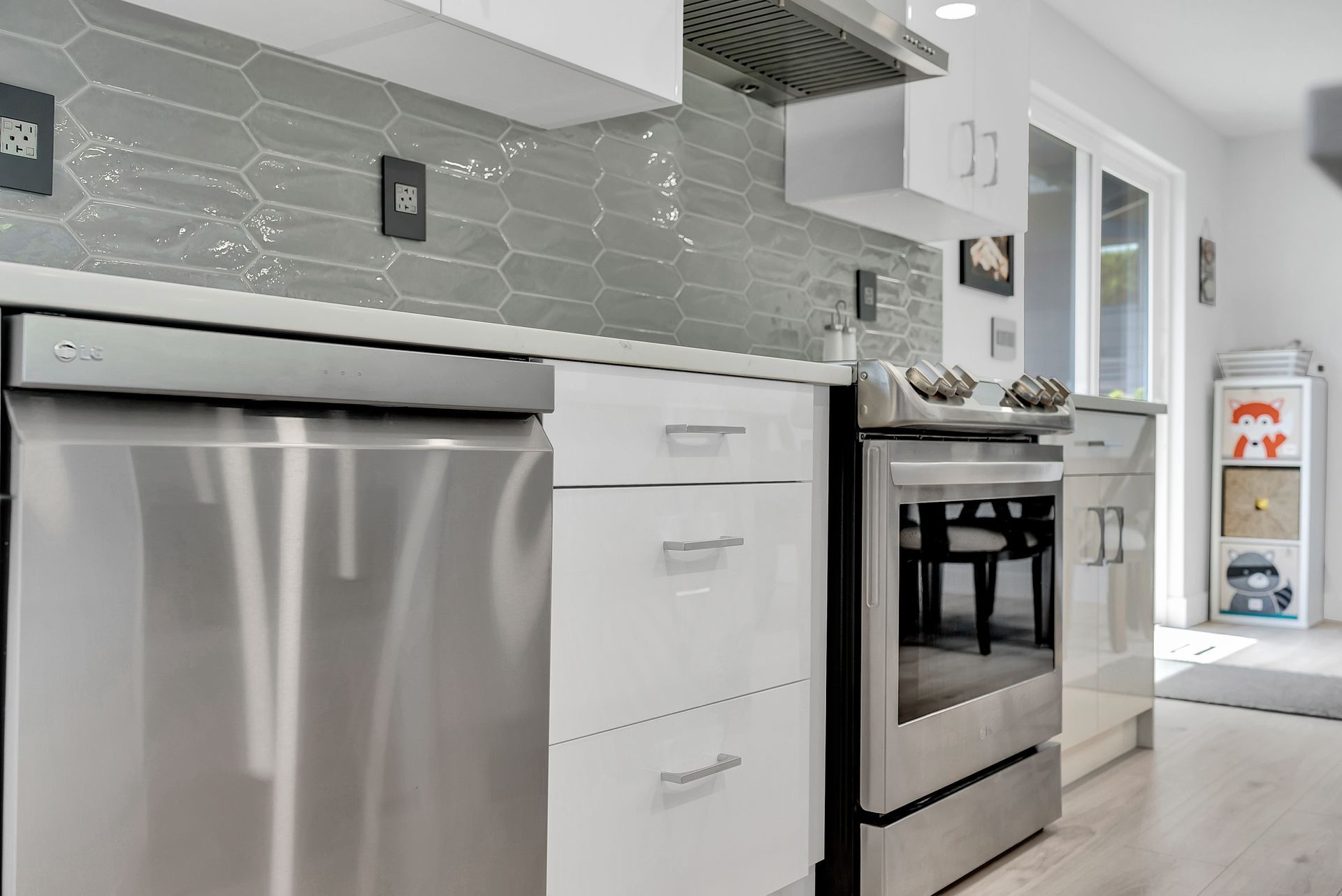

The Rise of the Hosting-Friendly Kitchen

Recent market studies show that 74% of homeowners consider the kitchen the most important room when it comes to hosting and entertaining. Furthermore:

  • 68% of remodels focus on improving storage and organization.
  • 54% of homeowners upgrade to open kitchen layouts for better flow.
  • 61% of hosting-focused renovations incorporate an island or peninsula for extra seating.

The design priorities are shifting: people want a space that works as hard as it looks—and that’s where smart design hacks come in.


Hack #1: Create an Open Flow Layout

A closed-off kitchen often limits both hosts and guests. By creating an open-concept flow, the kitchen naturally extends into the dining or living room. This seamless transition allows conversation and activity to continue without interruption.


Why It Works for Hosting:

  • Guests don’t feel excluded while the host is cooking.
  • Movement between food prep, serving, and seating is effortless.
  • Visual openness makes the space look larger.

Pro Tip: Even if you can’t completely remove load-bearing walls, using a pass-through window or widening doorways can give the same effect.


Hack #2: The Ultimate Kitchen Island

A multipurpose island is truly the heart of a hosting-friendly kitchen. It’s not just for food prep—it doubles as a dining space, buffet station, or even a mini-bar.


Key Features to Include:

  • Seating for at least 4–6 guests.
  • Built-in wine fridge or beverage drawers.
  • A secondary sink for prepping or mixing drinks.

Statistic Spotlight: Studies show 61% of kitchen remodels include an island upgrade because it maximizes hosting potential.


Hack #3: Beverage & Entertainment Zones

Nothing delights guests more than a dedicated beverage station. A coffee and cocktail corner creates a self-service area, freeing the host to focus on cooking.


Drink Station Must-Haves:

  • Mini fridge or wine cooler.
  • Open shelving for glasses.
  • Compact sink for rinsing.

Imagine your friend mixing their favorite craft cocktail without crowding your cooking workflow—it’s a small modification with big hosting impact.


Hack #4: Lighting that Sets the Mood

Lighting is one of the top design elements that influences ambiance. According to design surveys, 84% of homeowners regret not investing in layered lighting during their kitchen remodel.

The Perfect Lighting Layers:

  • Task Lighting: Bright lights under cabinets for chopping or prepping.
  • Ambient Lighting: Overhead recessed lights or pendants for overall illumination.
  • Accent Lighting: LED strips inside glass cabinets or beneath the island for drama.

Dimmable switches add flexibility, allowing you to transform your kitchen from “cooking mode” to “hosting mode” at the touch of a button.

Hack #5: Smart Appliances for Effortless Hosting

The new wave of kitchen technology makes hosting smoother, smarter, and more impressive. Picture this: preheating your oven from your smartphone, controlling your refrigerator’s temperature remotely, or asking Alexa to adjust the lighting as guests arrive.

Smart Hosting Must-Haves:

  • Smart ovens that send cooking alerts to your phone.
  • Touchless faucets for hygiene and convenience.
  • Fridges with entertainment screens for recipes and playlists.

According to industry research, 42% of homeowners in the U.S. want at least one smart appliance during a remodel.

Hack #6: Flexible Dining and Serving Zones

Not every gathering requires a formal sit-down dinner. Versatility is key. By incorporating different seating options, you can cater to both casual brunches and festive gatherings.

Design Ideas:

  • A breakfast nook with banquette seating.
  • Pull-out or extendable dining tables for larger groups.
  • Built-in sideboards for buffet-style meals.

With flexible layouts, hosting becomes a breeze—whether for two guests or twenty.

Hack #7: Storage Designed for Entertaining

Clutter is the enemy of a perfect hosting experience. 68% of homeowners prioritize storage in remodels because organized kitchens not only look sleek but also make hosting efficient.

Smart Storage Features:
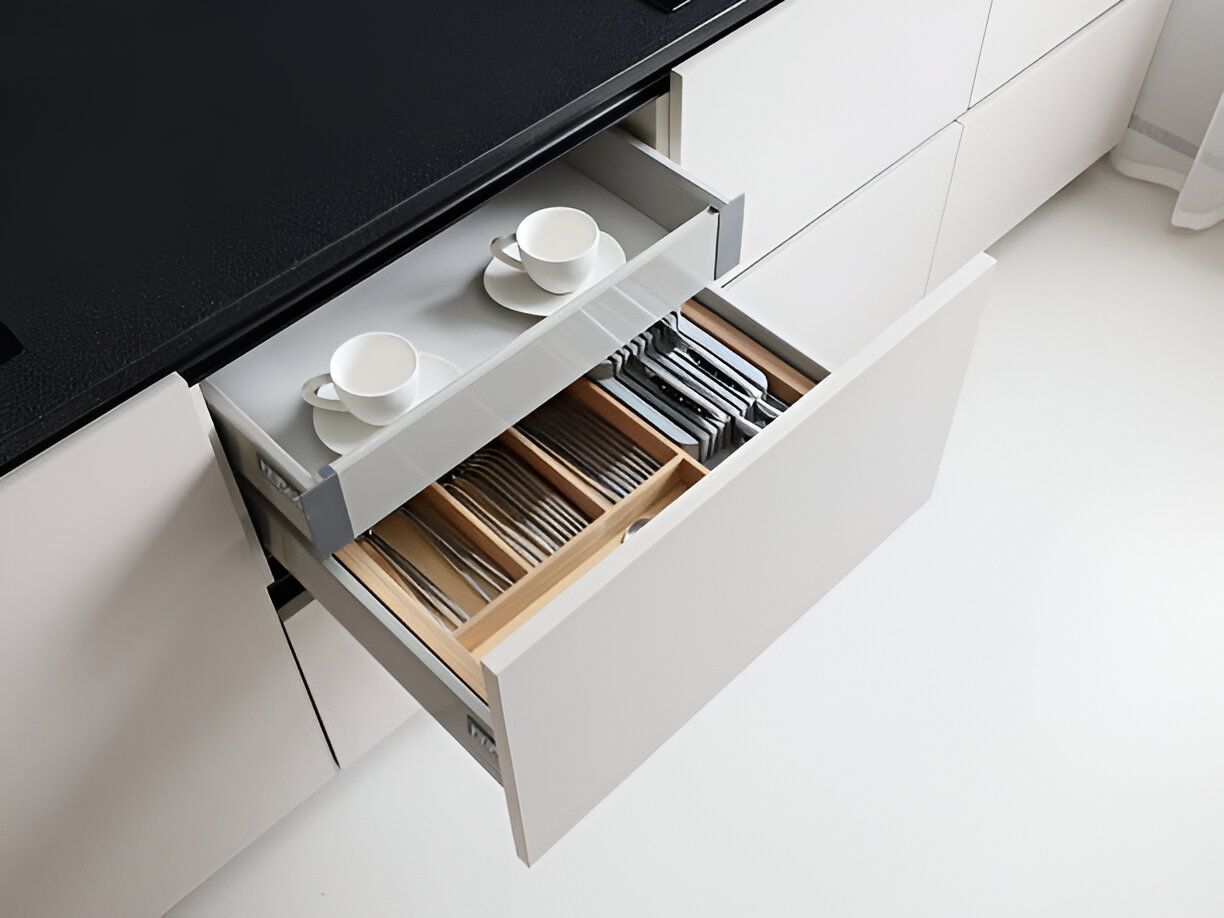
  • Pull-out drawers sized for platters and serving dishes.
  • Customized wine racks or stemware holders.
  • Appliance garages to hide mixers and coffee machines.

This ensures every tool and serving accessory is at arm’s reach, without cluttering countertops.

Hack #8: Integrating the Outdoors

In Bellevue and surrounding areas, many homeowners are embracing indoor-outdoor hosting kitchens. Connecting your indoor kitchen to a deck, patio, or backyard entertainment space expands your hosting capacity.


Features to Try:

  • Retractable sliding doors for a seamless connection.
  • Outdoor pizza ovens or grilling stations.
  • Coordinated design elements for a fluid look.

Stat Check: Outdoor kitchens are among the fastest-growing remodeling additions—up by 51% in trend reports since 2020.

Hack #9: Materials that Impress and Perform

Your hosting kitchen should not only look high-end but also withstand heavy use. Choosing materials wisely ensures style and durability.


Ideal Picks:

  • Quartz countertops (non-porous and stain-resistant).
  • Engineered hardwood for warmth and resilience.
  • Matte finishes on cabinetry to minimize fingerprints.
Hack #10: Work with Design-Build & Remodeling Experts

The best hacks shine when executed professionally. Partnering with Design-Build & Remodeling experts ensures you get a cohesive plan that balances aesthetics with functionality. Unlike fragmented contractors, a design-build firm offers:

  • A single point of accountability.
  • Faster project timelines.
  • A seamless blend of design vision and construction execution.

When crafting a perfect hosting space, having professionals guide you ensures every element comes together harmoniously.

Percentages at a Glance
  • 74% of homeowners prioritize the kitchen for hosting.
  • 68% upgrade storage and organization.
  • 61% add or upgrade kitchen islands.
  • 54% prefer open concepts.
  • 42% invest in at least one smart appliance.
  • 84% regret skipping layered lighting.
  • 51% rise in outdoor kitchen additions post-2020.
Wrapping It Up

Creating a kitchen that doubles as the perfect hosting space requires thoughtful planning, modern innovation, and a touch of personalization. From open layouts and multi-functional islands to smart appliances and beverage zones, these design hacks transform kitchens into dream spaces where every gathering becomes memorable.

If you’ve been envisioning the ultimate upgrade for your home, remember—your kitchen can be more than just a space for cooking. With the right remodel, it becomes the heart of hospitality.

FAQs about Creating a Hosting-Friendly Kitchen

  • 1. What is the most important element for a hosting kitchen?

    While every kitchen is unique, the majority of homeowners agree that an open layout paired with a multifunctional island delivers the biggest impact.

  • 2. How much should I budget for a hosting-focused kitchen remodel?

    On average, a mid-range kitchen remodel costs between $30,000–$65,000, while luxury remodels can exceed $100,000. Adding features like beverage stations, smart appliances, and custom storage increases the budget.

  • 3. Are smart appliances worth it?

    Yes. While they may seem like a luxury, 42% of homeowners who installed at least one smart appliance reported a noticeable improvement in efficiency and hosting convenience.

  • 4. How do I make my small kitchen hosting-friendly?

    Focus on open shelving, slim-profile islands on wheels, stackable seating, and flexible lighting. Even smaller Bellevue condos can benefit from clever design strategies.

  • 5. Should I hire a professional for my remodel?

    Absolutely. Working with a qualified Design-Build & Remodeling team ensures your remodel is done efficiently, within code, and with design expertise.


By Victor K April 2, 2026
Look at some of the trends why Seattle homeowners are opting for renovation instead of moving! Click here for more information!
By Victor K March 3, 2026
It is not uncommon knowledge that our generation is paying the most in energy bills as compared to the past generations. Therefore, once a homeowner plans a remodel in Seattle, talking about energy cost savings is a must-have conversation with your commercial subcontractor Seattle. Special emphasis has to be given to the home environment in Seattle due to the humid and rainy conditions all year round. Upgrades that reduce monthly cost provide dual benefits: a reduction in energy bills and an increase in home value. Today, we talk about some major upgrades you should think about while planning for a home remodel. Why Utility Cost Matters Most homeowners miscalculate the amount they are paying extra because of non-energy-efficient homes. The cost trickles down to maintenance cost since HVAC systems are run on overdrive to keep the home warm or cold. The monthly cost + additional maintenance cost becomes a good yearly chunk of your balance sheet. The utility cost is not the only thing that gets battered if energy upgrades are not installed. The value of the home also takes a beating since modern homeowners require these additions as a basic and not just nice to have options. Upgrades that Help Save Energy Cost Experts at United Seattle research and list down their top energy upgrades that not only help reduce monthly costs but also increases home value in the future. Insulation Is Key Insulation holds the key to keeping your home warm/cold without driving up the cost of energy. A trusted commercial construction subcontractor Seattle, like United Seattle , offers insulation services that make your home more energy-efficient and protected against extreme temperatures throughout the year. Options for residential and commercial property insulation include installing fiberglass or using spray foam or cellulose in dry walls , roofs , floors, and even attics, to prevent the heat from escaping. Building subcontractor Washington frequently uses insulation techniques to reduce energy costs later on. Modern HVAC Systems This is by far the best by-product of green living in Seattle. Not only does the carbon emission reduction make the city healthier to live but it also reduces the energy bill, which makes more and more people want to get a modern HVAC system. Commercial subcontractors Seattle is incorporating methods like smart lighting systems, energy-efficient HVAC systems in homes to reduce energy prices, increase home value and provide a better living to Seattle dwellers. Smart Technology Integration The modern day and age has allowed the infusion of technology in the home due to its sheer price reduction and availability. Remote-controlled curtains and automated appliances can add to the overall experience of the home, making it an elegant place to live as well as host an array of people. One can also consider voice-activated systems to control appliances, creating a seamless and futuristic living experience. Apart from the aesthetic benefits, one can use smart thermostats to control the use of energy based on temperature and human presence. This not only reduces monthly bills but also adds value to the home. 
By Victor K February 25, 2026
2026 is one of the most important years in the lives of Seattle dwellers. This is the moment when the debate over moving vs renovating has heated up amid skyrocketing prices for new properties. A simple move decision has turned into a serious financial decision that needs careful thought! All the noise can be diluted down to two numbers: payment math and timeline. The numbers are the only thing you should calculate before deciding on a partial renovation, full-blown add-on, or just getting a new property. A Complicated Decision!! The decision to move has become even harder in the last 5 years than in years gone by. Today, many Seattle homeowners are sitting on mortgages between two and four per cent. That low-rate loan is an asset. Giving it up means replacing cheap money with expensive money. Therefore, a similarly priced home (albeit new) may cost you more due to the 2026 interest rate jump. The interest rate and enhanced payments alone are pushing many homeowners into the remodeling stream rather than the moving one. Understanding Renovation Financing Understanding the financial aspects of the remodel and getting a new home are usually complex processes. The common person is not used to such calculations and may take a rash decision based on vibe rather than math alone. A cash-out refinance replaces your entire mortgage, which rarely makes sense if you’re sitting on a three per cent rate. Construction loans are typically used for large additions or structural transformations. Layered financing is the buzzword as it is better than replacing the original loan. Monthly Payment Puzzle! Your monthly mortgage can jump from $1900 to over $5000 if you take out a $900,000 mortgage for a home that costs over 1 million dollars. This is not just an increase in the monthly payment; everything on your financial balance sheet changes. From the opposite point of view, you take a $250,000 loan for a major upgrade using a home equity loan (HELOC. Even with the current interest rate, it comes down to $2000 a month, which adds to your original monthly payment, keeping the total under $4000. For many Seattle homeowners, that gap is the deciding factor. The Hidden Cost of Moving In Seattle The math above does not include the hidden cost of moving homes and neighborhoods in Seattle. The cost of physical moving, including movers' fees and freight charges, is often under-calculated. In addition, there is a real estate commission that you have to pay as a percentage of the value of both your home sale and purchase. On the buying side, you’ll face lender fees, appraisal charges, escrow, and title costs. Then there’s staging, pre-sale repairs, landscaping refreshes, and actual moving expenses. For a home that costs around a million dollars, the average fee calculated by United Seattle's experts is about $100,000. This is just the cost of moving and has no bearing on your new home design or output. When you include these hidden costs in your five-year financial comparison, remodeling often looks like a very convenient option. Moving Wins Still, but WHEN?? Yes, remodeling is a better option keeping the math in mind. However, it usually disregards the emotional part of the decision. If you are done with the current neighborhood vibe or constantly spending money on home maintenance, then a move to a better home and neighborhood is a wiser decision. The daily commute distance to the school or office also plays a major role, as the cost of it over the next five years should be factored in when weighing an expensive move against a cheaper renovation. Moreover, moving to a smaller property also makes sense if your family members are moving out, as maintaining a large backyard is an annual nuisance. Decision Based On The Future! Always!! Just as with investing in stocks, investing in a renovation or a new home should be kept with the future in mind. Therefore, all math should be done using a 5-year and 10-year model. A home remodel may look cheap now, but added maintenance over the years in an old home can be more expensive than moving into a new home with fewer maintenance costs. The cheaper monthly option is not always the better long-term option, but in Seattle’s 2026 rate environment, remodeling often preserves greater financial flexibility. Cheaper to Add or Buy Big? ADU and DADU in Seattle are among the hottest asks in the industrial market. This is because it instantly adds fiscal value to your property, whether for renting, hosting long-term guests, or creating a workspace. Once you add an addition , you only pay for the renovation (if not financed), and the original mortgage stays intact. This can be a major savings and fiscal addition point over the next decade and must be factored into the decision matrix when choosing between remodeling, an addition, or moving altogether. Timelines Somehow Matter! Oh, the eternal question: how long will the remodel take? If you have to temporarily move out of your home into a hotel or rental, the cost is added to the original renovation cost. This is where a skilled home remodeling company like United Seattle comes in, leveraging its experience to complete the project within the stipulated time and budget. Delays are one of the most common aspects of any remodeling project, which leads to financial loss as well as mental trauma. In principle, remodeling is slower than moving into a new house, but the customization is as per your plan and family needs, which is a big plus! If you can wait out the remodeling process, remodeling is better and cheaper than moving in the long run! 
More Posts

We Offer All the Services You Need in One Place! We Will Save You Time and Money!

Call Us at (425) 521-7916 Now to Get a Free Estimate or a Free Consultation for Any of Our Services!

Contact Us