
Replacing vs. Repairing Your Roof: How to Make the Right Choice
Repair or Replace? Learn how to make the smart choice for your commercial roof. This guide breaks down when to opt for repairs vs. a full replacement—and why expert Commercial Roofing Services are key to protecting your property and budget.
Deciding whether to repair or replace your commercial roof is crucial. A damaged roof can cause water damage, energy loss, or structural problems. This guide helps you understand when to fix or replace your roof. It also highlights the importance of professional
Commercial Roofing Services in making the right choice.
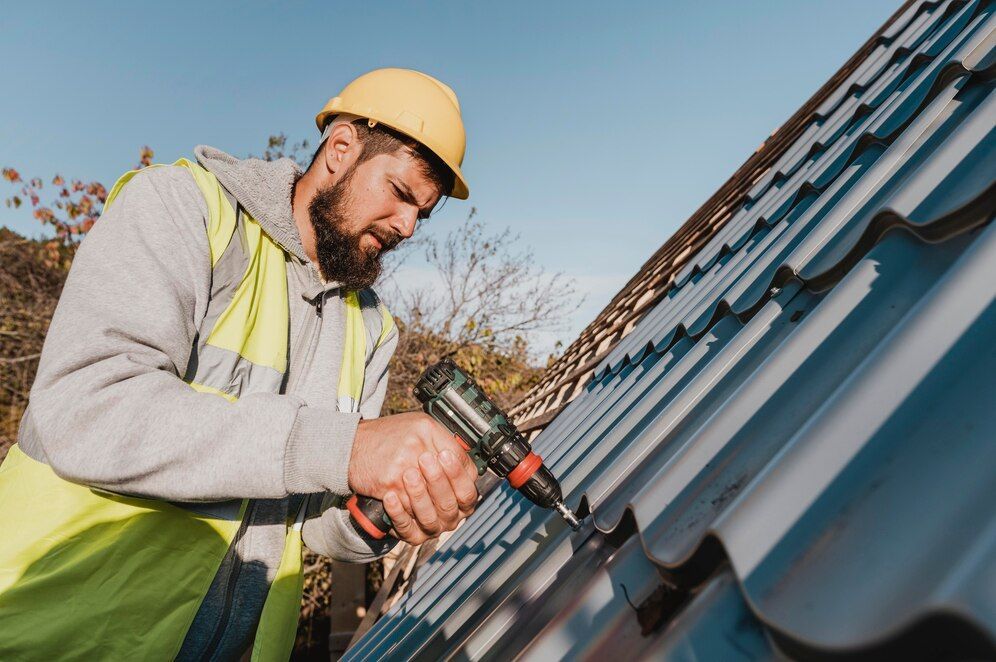
Key Takeaway
- Repairing fixes minor issues, while replacement addresses major damage or aging materials.
- Commercial Roofing Services experts evaluate roof age and damage to recommend the best path.
- Ignoring small leaks can turn into expensive replacements later.
- Replacement offers long-term savings if the roof is nearing its lifespan.
- Cost comparisons must include labor, materials, and future maintenance needs.
Understanding the Basics of Roof Repair and Replacement
Commercial property owners have big decisions to make about their roofs. Commercial Roofing Services experts help them make the right choices. Knowing the basics is key to making smart decisions that keep investments safe.
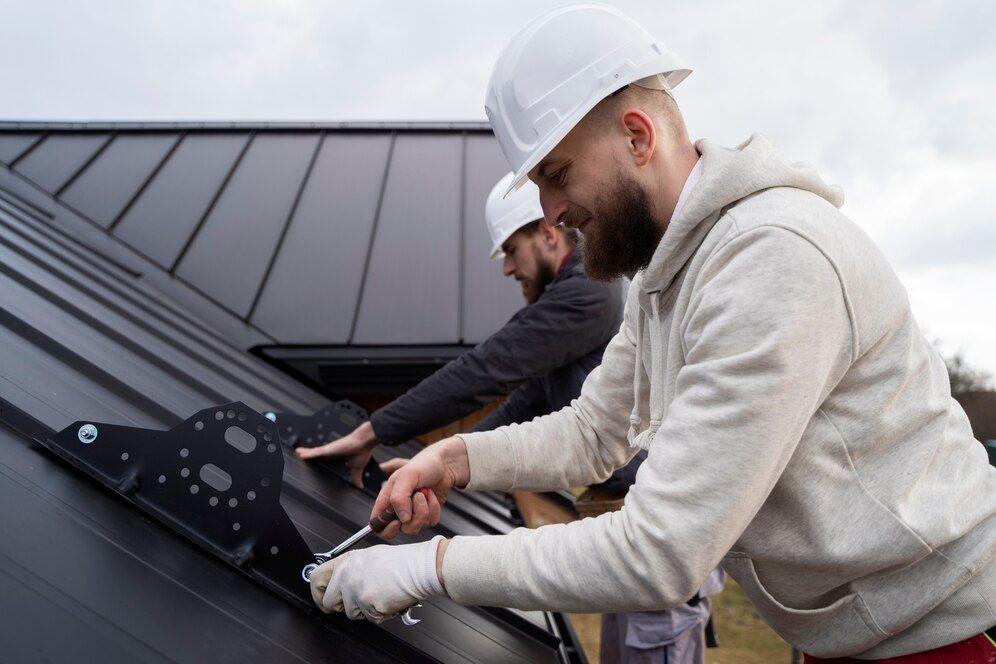
Defining Roof Repair
Roof repair fixes specific problems like leaks or damaged flashing. It's for minor issues without replacing the whole roof. Fixes include patching or sealing weak spots. Commercial Roofing Services pros check the damage to suggest the best fix.
Exploring Roof Replacement
Roof replacement means taking off the old roof and putting on a new one. It's chosen when the roof is too old, damaged, or outdated. New roofs last longer with materials like EPDM or TPO. Replacing the roof matches long-term building plans.
Key Differences and Outcomes
- Scope: Repair fixes parts; replacement overhauls the entire system.
- Cost: Repairs are budget-friendly short-term fixes; replacements involve higher upfront costs but offer decades of durability.
- Outcomes: Repairs delay replacement but don’t address structural issues. Replacements ensure compliance with building codes and warranty requirements.
Professional Commercial Roofing Services look at age, damage, and budget to guide the best choice.
Evaluating the Condition of Your Commercial Roof
Regular checks are key to keeping your commercial roof in good shape. Even small issues like cracks or missing shingles can turn into big problems. Owners might miss signs like curled edges or granule loss on the roof.
A detailed inspection looks at flashings, drains, and seams for wear. Signs like ponding water or sagging areas mean there's a bigger issue. Catching these early can stop bigger damage.
- Visible cracks or splits in the membrane
- Missing or curled flashing
- Ponding water that lingers after rain
- Rusted fasteners or loose seams
Experts use tools like infrared scans to find moisture. They check insulation, roof age, and if materials need to be replaced. Waiting too long can lead to leaks and damage inside.
Businesses should act fast when they notice problems. Getting annual checks from licensed contractors keeps warranties valid. Ignoring damage can void guarantees. Working with experienced Commercial Roofing Services providers saves money in the long run.
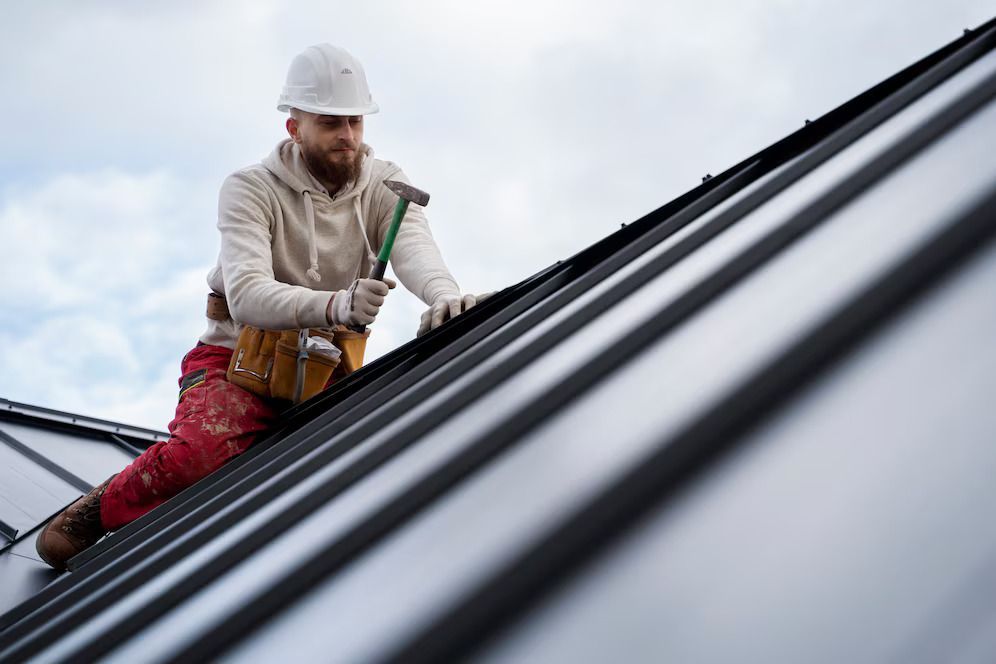
Cost Analysis: Repairing vs. Replacing Your Roof
Deciding between fixing or replacing your roof depends on money matters. Commercial Roofing Services can help you weigh short-term savings against long-term costs. Knowing these costs helps make choices that fit your budget and property needs.
Short-Term vs. Long-Term Costs
- Repairs might save 10–30% upfront but could cost more over time.
- Replacing your roof costs more at first but lasts 15–20 years longer.
Hidden Expenses to Consider
Don't forget these extra costs:
- Local codes might require permits and inspections.
- Replacing your roof might need extra labor for structural fixes.
- Upgrading materials for better energy efficiency adds to the cost.
“Budget 15–20% extra for unexpected costs when working with Commercial Roofing Services.”
Budgeting Tips for Commercial Owners
Here's how to manage your budget:
- Get quotes from different Commercial Roofing Services.
- Save 1–2% of your property's value each year for roof care.
- Long-term warranties can help cover future costs.
With smart budgeting and expert advice, you can avoid overspending and stay financially stable.
Pros and Cons of Roof Repair
Roof repairs can quickly fix urgent issues but might not solve deeper problems. Commercial Roofing Services experts say it's important to weigh quick fixes against long-term needs. Knowing the pros and cons helps businesses make the right choice.
Pros:
- Cost-effective for minor damage.
- Quick to complete, minimizing downtime.
- Preserves existing roof structure when damage is localized.
Cons:
- May overlook hidden structural issues.
- Temporary solution for aging roofs.
- Risk of recurring repairs over time.
“Repairs buy time but aren’t a permanent cure. They’re best for roofs under 80% lifespan,” says industry expert Mark Thompson of National Roofing Institute.
Timing is key. For instance, patching leaks stops water damage but doesn't fix worn-out materials. Experts in Commercial Roofing Services can tell if repairs are enough or if a new roof is needed. Choosing short-term savings over long-term costs can lead to more expenses later.
Regular checks help find when repairs are enough or when a new roof is needed. Trusting certified pros ensures accurate damage checks and cost estimates.
When Repair is the Best Option for Your Roof
Deciding between roof repair and replacement depends on the damage and conditions. Commercial Roofing Services experts can guide you. They help figure out if temporary fixes can last without needing a full replacement.
Weather and Timing Considerations
Seasons and weather are crucial. Repairs done in mild weather help avoid more damage. In cold areas, avoid winter repairs to ensure materials set right.
Scheduling repairs during dry periods helps avoid delays from rain or storms.
Damage Assessment Factors
- Localized damage: Small leaks or cracks in specific areas
- Roof age under 10 years with a strong structure
- Cost of repair under 25% of replacement cost
Experts from Commercial Roofing Services use thermal scans and inspections. They find out the extent of damage.
Case Studies of Successful Repairs
A downtown office building in Dallas saved money by fixing 5 ventilation leaks. A grocery store in Chicago fixed blisters on a 7-year-old EPDM roof. Both saved over $10k by not replacing the roof.
Proactive repairs stop small problems from getting bigger. Regular checks by licensed contractors catch damage early.
Signs Your Roof Needs Replacement
Knowing when to replace a commercial roof is key to avoid expensive delays. Commercial Roofing Services experts say to act fast if you see these warning signs:
- Visible Structural Damage: Cracks, sagging areas, or collapsed sections show weak support.
- Aging Materials: Blisters, granule loss, or curled shingles mean the roof's life is almost over.
- Recurring Leaks: If water keeps getting in, even after fixing it, the roof is failing.
- Energy Inefficiency: If your utility bills keep going up, it might be because the insulation is failing.
- Safety Hazards: Exposed nails, rot, or mold are dangers to people and property.
Ignoring these signs can cause the system to fail early. Reach out to licensed Commercial Roofing Services to check the situation and talk about replacing it. Acting early stops more damage and keeps your investment safe for longer.
Maximizing the Benefits of Commercial Roofing Services
Commercial Roofing Services do more than fix problems. They help your roof last longer. Start by getting regular expert advice. Experts check how your roof is doing and what dangers it faces.
Proactive planning helps find problems early. This saves money and keeps your business running smoothly.
- Monthly inspections track minor leaks or material degradation.
- Seasonal maintenance clears debris and reinforces seams.
- Document all work for warranty compliance.
Using top-quality materials and certified workers means warranties are valid. Look for proof of FM Approvals or SPRI standards. Good warranties cover both work and materials for over 10 years, if you follow the care tips.
Good maintenance and expert advice make your roof a valuable asset. A well-kept roof saves on energy costs by keeping warm in and cold out. Choose Commercial Roofing Services that give you detailed reports on how your roof is doing. This helps you plan your budget better and avoid unexpected costs.
Expert Tips for Making the Right Roofing Decision
Deciding between repair and replacement needs careful thought. First, seek professional advice. This ensures your choice is wise for your investment and property.
DIY Assessment vs. Professional Inspection
A DIY assessment might seem cheap, but it misses many problems.
Commercial Roofing Services experts use special tools like thermal imaging. They find leaks, damage, and wear that you can't see.
Their detailed reports help avoid expensive errors.
“A professional inspection saves money in the long run by preventing small issues from becoming major replacements.”
Evaluating Warranties and Guarantees
Check the warranties from Commercial Roofing Services providers. Look for:
- How long the warranty covers materials and work
- What you need to do to make a claim
- The provider's reputation
Make sure the warranty matches your property's needs.
Future-Proofing Your Roof Investment
Think about climate changes and how you use your roof. Consider:
- Choosing strong materials like EPDM or TPO for a long life
- Adding energy-saving features to cut down on bills
- Getting advice from Commercial Roofing Services experts for your area
Regular upkeep by pros keeps your roof in top shape.
Conclusion
Deciding whether to repair or replace your roof depends on several factors. These include the extent of damage, your budget, and your long-term goals. Regular inspections and expert opinions help make the right choice. Commercial Roofing Services offer crucial insights into your roof's condition. They ensure repairs address the root cause of problems. This approach helps maintain the integrity of your roof.
Experts from Commercial Roofing Services can tell if repairs will work or if you need a new roof. They install materials correctly and offer warranties. This protects against future issues.
Regular maintenance through inspections is key. It prevents unexpected costs and extends your roof's life. This proactive approach is essential for your investment's safety.
Choosing wisely between repair and replacement is important. It's about balancing initial costs with long-term benefits. Working with Commercial Roofing Services ensures quality and reliability. This protects your investment for years.
FAQ
How do I determine whether to repair or replace my roof?
To decide, check the damage's extent, the roof's age, and get a pro's opinion. If damage is small and the roof is young, fixing it might work. But, if damage is big or the roof is old, it's probably time for a new one.
What are the benefits of hiring professional roofing services for repairs?
Experts know how to check roofs well, do good work, and follow safety rules. They also give warranties and maintenance plans. These help your roof last longer.
What factors contribute to the overall cost of roof repair versus replacement?
The cost depends on damage severity, materials, labor, and extra costs like fixing the structure. Repair might seem cheaper at first. But, it could cost more over time due to ongoing maintenance and possible future repairs.
How often should I inspect my commercial roof?
Check your commercial roof twice a year, in spring and fall. Also, inspect after bad weather to catch damage early and avoid bigger problems later.
Are there specific signs that indicate replacement is necessary?
Yes, look out for big wear, structural harm, constant leaks, and a roof that's getting old. Seeing these signs means it's time to get a pro's advice on what to do next.


We Offer All the Services You Need in One Place! We Will Save You Time and Money!
Call Us at (425) 332-8088 Now to Get a Free Estimate or a Free Consultation for Any of Our Services!