
20 Roofing Material Options: Pros, Cons, and Longevity Explained
Discover 20 popular roofing materials with a clear breakdown of their pros, cons, and lifespan. Whether you're after durability, style, or affordability, this guide helps you choose the perfect roof for your home.
Choosing the right roofing material is key for any building project. This article looks at 20 roofing options, covering their pros and cons. It also talks about how they affect roofing longevity. Whether you're a homeowner, builder, or contractor, knowing these details helps you pick the best material. Each option has its own benefits and drawbacks. From asphalt shingles to metal, they all have something special to offer. Understanding these factors ensures you make a choice that fits your climate, budget, and durability needs.
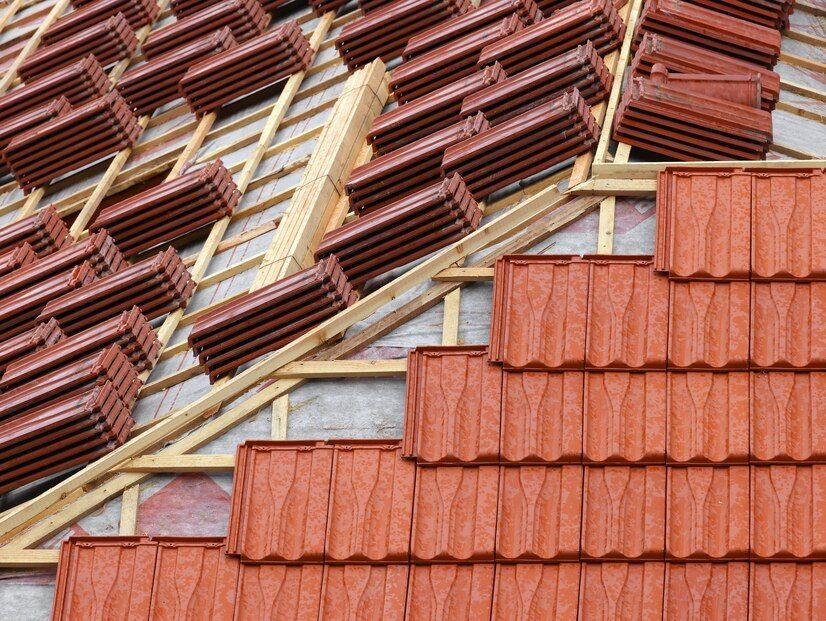
Key Takeaways
- 20 roofing material options compared for performance and suitability.
- Rooing longevity ranges from 15 to 50+ years depending on material choice.
- Roofing pros and cons must balance cost, maintenance, and environmental conditions.
- Commercial and residential needs influence material selection priorities.
- Key factors include energy efficiency, aesthetic appeal, and long-term value.
Introduction to Roofing Material Options
Choosing the right roofing material is a big decision. It starts with understanding the options. From asphalt shingles to metal and tile, each has its own benefits. Homeowners and commercial roof contractors need to think about climate, budget, and looks.
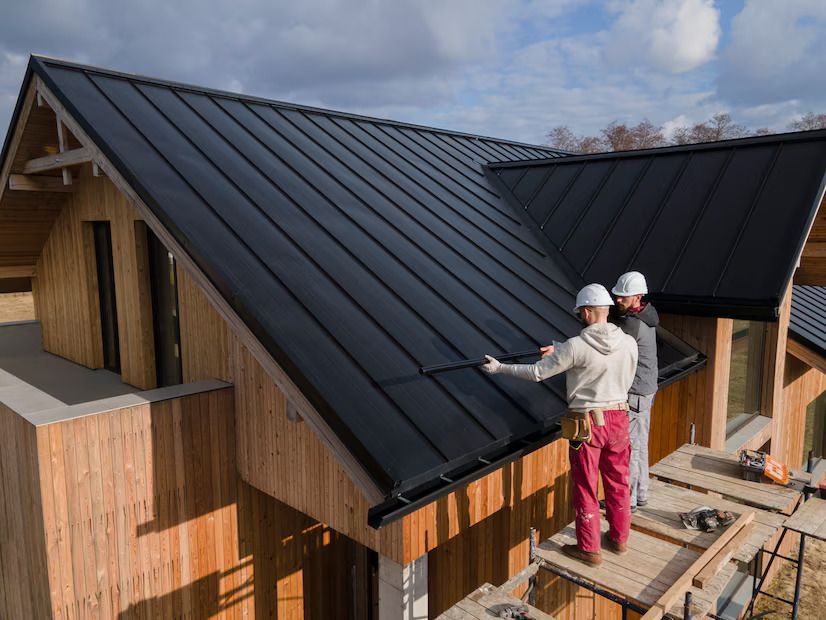
Overview of Materials
Popular choices include:
- Asphalt shingles: Affordable and versatile
- Concrete tiles: Durable and fire-resistant
- Standing-seam metal: Lightweight and long-lasting
- Slate: Classic appearance with high durability
Each material has a different roofing lifespan. Asphalt lasts 15–30 years, while slate can go over 50 years. Commercial roof contractors use these numbers to help clients decide between cost and longevity.
Understanding Roofing Lifespan
Weather affects how long a roof lasts. Harsh weather can wear down materials like wood shakes faster. A good installation by a licensed commercial roof contractor can add 20–30% to its life.
Regular checks and maintenance plans also help. Knowing these details helps balance upfront costs with long-term savings.
Key Considerations When Selecting Roofing Materials
Choosing the right roofing material is about finding a balance. It's about performance, cost, and how long it lasts. Homeowners and contractors need to think about roofing pros and cons to make the best choice. They should consider how well the material handles local weather, energy use, and upkeep.
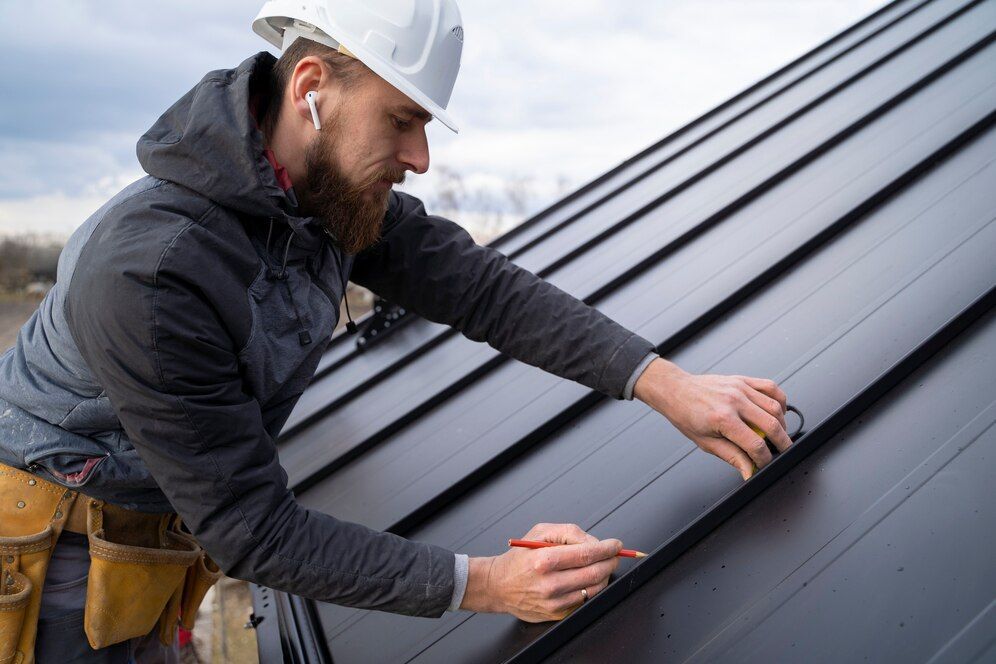
Analyzing Pros and Cons
- Cost: Look at the initial cost and how it compares to long-term savings from durability.
- Climate: Choose materials that fit your local weather—like metal for areas with a lot of hail or asphalt for milder climates.
- Maintenance: Some materials, like slate, are easier to maintain and might be worth the higher upfront cost.
Evaluating Durability Factors
How long a roof lasts depends on its quality and how well it's installed. Look at evaluating roofing durability factors like wind resistance, fire safety, and warranty length. For example, EPDM rubber roofs often last longer than tar-and-gravel roofs in commercial buildings.
“Commercial roof contractors must prioritize materials that withstand heavy foot traffic and extreme temperatures,” says a 2023 industry report from the National Roofing Contractors Association.
For commercial projects, working with licensed commercial roof contractors is key. They need to know about building codes and how to handle big durability challenges. Choose contractors with proven experience in your area's climate.
Exploring 20 Different Roofing Materials
Roofing materials come in many types, each with its own benefits. From traditional to modern, there's something for everyone. Here are 20 roofing options to consider:
- Asphalt shingles: Affordable and versatile, great for most climates.
- Metal: Strong, recyclable, and withstands harsh weather.
- Slate: Lasts long and looks elegant.
- Clay tiles: Fireproof and keeps cool, adds a Mediterranean touch.
- Wood shakes: Natural beauty with the right moisture protection.
- Synthetic rubber: Light and can handle impacts.
- TPO membranes: Saves energy for flat commercial roofs.
- Concrete tiles: Tough and fire-resistant.
- Green roofs: Good for the planet with plants on top.
- Solar shingles: Make energy and cover your roof.
- PVC membranes: Flexible and UV-proof for flat roofs.
- Copper: Resists corrosion and has a unique look.
- EPDM rubber: Budget-friendly for flat roofs.
- Cedar shakes: Classic wood look with the right sealants.
- Teracotta: Bright colors and durable.
- Recycled plastic: Eco-friendly and UV-stable.
- Steel: Resists rust and fits modern designs.
- Bitumen roll roofing: Cheap base layer for flat roofs.
- Clay barrel tiles: Spanish-style curved tiles.
- Acrylic-coated foam: Light insulation for cold areas.
Each material meets different needs like climate, budget, or style. There's a perfect match for every project. Looking into these options helps find the right mix of performance and personal taste.
Effective Roofing Designs to Enhance Curb Appeal and Durability
Modern roofing designs to enhance curb appeal and durability are changing how we see property looks. They mix style with lasting quality. Here are some top picks that look great and work well.
Showcasing 5 Stunning Roofing Designs
- Sloped Metal Roofs: These roofs are modern and strong, standing up to bad weather.
- Textured Tile Patterns: Tiles in cool designs make your home look better and last longer.
- Living Green Roofs: These roofs are covered in plants, keeping your home cool and looking good.
- Exposed Wood Shake: This style has a rustic look and keeps your home dry.
- Flat Monolithic Roofs: Perfect for businesses, these roofs are simple and easy to take care of.
Innovative Ideas for Modern Aesthetics
Combining stunning roofing designs with smart materials makes your roof stand out. Solar panels or modular systems help commercial roof contractors make your roof energy-smart. For example, copper or recycled materials add beauty without losing strength.
Choosing a bold roof or a simple one, working with commercial roof contractors ensures it looks good and works well. These designs show you can have both beauty and durability.
Insights for Commercial Roof Contractors: Balancing Material Choice with Design
Commercial roof contractors face new challenges. They must balance design and material balance with changing market needs. Today, 78% of clients want eco-friendly roofs that are also durable.
Market Trends in Commercial Roofing
- Green materials like solar-integrated membranes are rising 23% annually
- Lightweight waterproofing systems reduce structural load requirements
- Customizable pre-fabricated panels cut installation time by 40%
"The sweet spot lies in materials that meet sustainability targets while enabling architectural creativity," states the National Roofing Contractors Association's 2023 report.
Top commercial roof contractors use digital tools to test materials under local weather. They choose EPDM rubber for flat roofs and metal in windy areas. This approach cuts costs by 18-25% over the roof's life.
Enhancing Home Durability Through Smart Roofing Choices
Choosing the right roof is key to keeping your home strong and valuable. Materials like metal, slate, or top-notch asphalt shingles protect against harsh weather. These choices mean fewer repairs and more savings in the long run.
- Weather resistance: Metal and clay options withstand heavy rain and UV exposure.
- Energy efficiency: Cool roofs with reflective coatings lower cooling costs while boosting longevity.
- Structural support: Reinforced materials handle snow loads and high winds better than standard options.
Homeowners should pick roofs that fit their local weather. For instance, clay tiles are great in dry places, and shingles that can handle storms are best in wet areas. Also, getting your roof installed right and checking it often adds to its benefits.
“A well-chosen roof isn’t just a cover—it’s a foundation for decades of reliability.”
Going for durable materials like synthetic slate or copper means your roof will last over 50 years. This protects your home and investment. Making smart roofing choices is a smart move for any property.
Design Trends: 5 Stunning Roofing Designs to Enhance Curb Appeal
Modern roofing styles are changing how homes and businesses look. Today's designs mix beauty with function, making spaces unique and eco-friendly. Here are five top trends:
- Curved Metal Roofs: Metal roofs are sleek, strong, and flexible. They reflect sunlight, keeping homes cool in sunny areas.
- Living Roofs: Green roofs combine nature with buildings. They improve insulation and air quality, becoming a key trend.
- Solar-Integrated : These shingles hide solar panels, blending modern style with green energy.
- Exposed Wood Accents: This look adds a rustic touch to buildings. It uses reclaimed wood for a modern, yet cozy feel.
- Geometric Patterns: These designs use bold shapes and colors. They make roofs stand out in any setting.
Modern Styles in Residential and Commercial Settings
Roofs can be modern and functional, fitting any building. Metal and solar options are favorites for their durability and savings.
Integrating Energy Efficiency with Design
Today's roofing combines beauty with green living. Cool roofs and solar tiles are great examples. For example, clay tiles with reflective glazes save on cooling costs while looking classic.
These trends show how roofing can enhance looks and protect the environment. Whether updating a home or building a new one, modern options let you be creative without losing practicality.
Practical Tips for Installing Long-Lasting Roofs
Installing a roof right and keeping it up are key to a long life. Follow these tips and strategies for upkeep. Small errors or ignoring regular checks can cause big problems later.
Avoiding Common Roofing Pitfalls
- Use underlayment: Add waterproof layers beneath shingles to block moisture.
- Align flashing correctly: Seal valleys and chimneys to prevent leaks.
- Avoid over-tightening fasteners: Over-tightened nails can crack materials.
Maintenance Strategies for Maximum Longevity
Regular checks and care keep your roof in top shape. Important steps include:
- Clear debris quarterly to improve drainage.
- Check for loose shingles after storms.
- Trim overhanging branches to avoid damage.
“A well-installed roof with routine care can last twice as long as one with neglect.”
By following these maintenance steps and getting professional checks every 3-5 years, you save money in the long run. Precision in installation and care pay off big time.
Conclusion
Choosing the right roofing material is crucial for long-term performance. This summary highlights options like asphalt, metal, and solar tiles. Each material's longevity depends on climate and maintenance, as detailed in the longevity insights.
For example, metal resists damage in storm-prone areas. Modern designs, such as green roofs and energy-efficient systems, enhance curb appeal. Brands like GAF and CertainTeed ensure quality installations.
Prioritizing materials suited to local conditions and maintaining them properly extends roof life. A well-planned roof balances aesthetics with function, safeguarding home value and safety over decades.
FAQ
What are the most popular roofing materials available today?
Today's top roofing materials are asphalt shingles, metal, clay tiles, slate, and wood shingles. Each has its own benefits like durability, cost, and looks.
How do I choose the right roofing material for my home?
Think about your local weather, home style, budget, and how long the material lasts. Also, consider how easy it is to keep each material looking good.
What roofing designs can enhance my home's curb appeal?
Designs like gable, hip, flat, and shed roofs can make your home look great. Adding features like different roof angles, dormers, and colors can also make it stand out.
How can roofing materials affect energy efficiency?
Materials like metal and reflective shingles can keep your home cooler. Adding insulation and ventilation can also help save on energy costs.
What factors should I consider regarding the durability of roofing materials?
Look at how long the material lasts, its weather resistance, upkeep needs, and warranty. Choosing materials known for their durability ensures a long-lasting roof.
How do I determine the lifespan of different roofing materials?
Lifespan varies; asphalt shingles last 15-30 years, metal 40-70 years, and slate over 100 years. Good installation and care extend its life.
What are some innovative roofing designs that combine style with durability?
Try green roofs, standing seam metal roofs, or architectural shingles. These designs boost both your home's look and strength.
Are there roofing materials that require less maintenance?
Yes, metal, clay tiles, and some synthetic shingles need little upkeep. They resist rot, rust, and fading better than others.
What are the common pitfalls in roofing installation?
Avoid mistakes like bad ventilation, poor underlayment, ignoring drainage, and using low-quality materials. Good installation and quality materials prevent these problems.
How can I improve the aesthetic of my roof while ensuring durability?
Choose colors and textures that match your home. Adding decorative elements like ridge caps or eavestroughs can also enhance both looks and function.


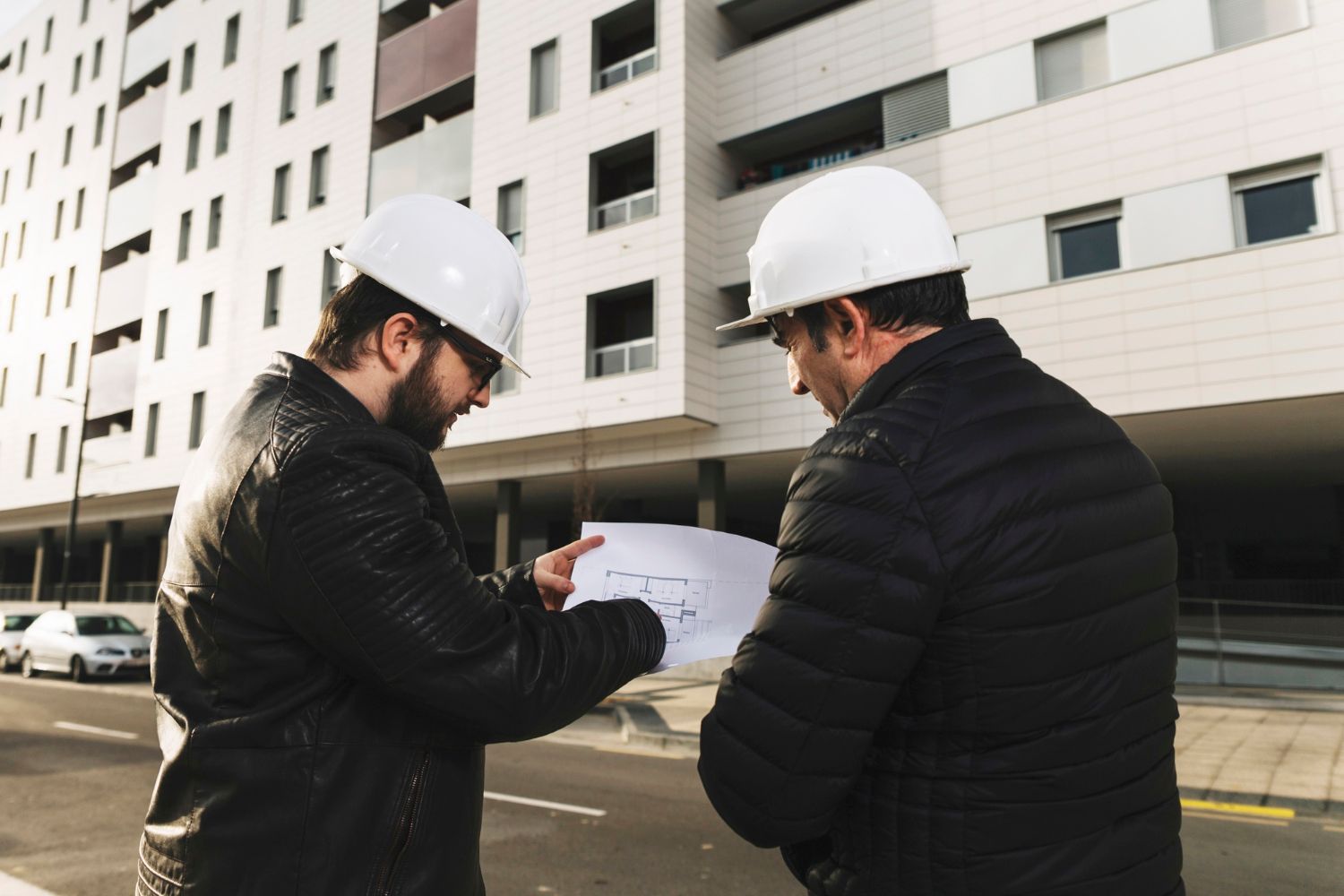
We Offer All the Services You Need in One Place! We Will Save You Time and Money!
Call Us at (425) 332-8088 Now to Get a Free Estimate or a Free Consultation for Any of Our Services!