
Seattle Siding Contractors Share Secrets to Weatherproof Homes
Seattle’s weather is as famous as its coffee culture. Rain, wind, and occasional sun make the Pacific Northwest unique—but it also poses challenges for homeowners. One of the most critical aspects of protecting a home from the elements is proper siding. Experienced siding contractors Seattle know exactly how to design, install, and maintain siding to weatherproof homes effectively.
Your home’s siding is its first line of defense against moisture, wind, and temperature fluctuations. Choosing the right materials, installation methods, and maintenance practices is crucial. Here, we’ll share insights from siding experts on how to keep your home dry, energy-efficient, and visually appealing.
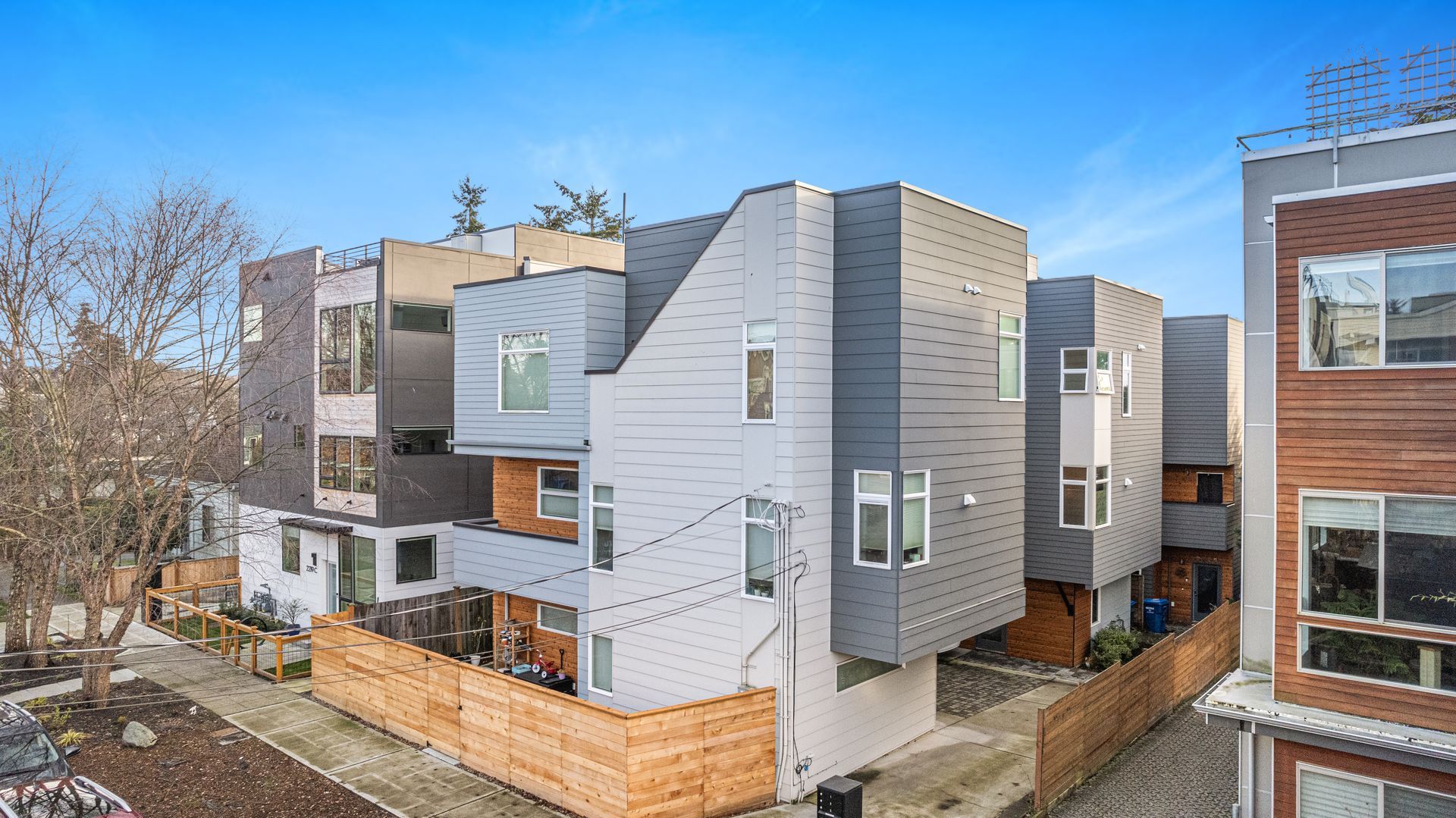
Importance of Siding
Siding does more than just make your home look beautiful. It protects the structural integrity of your house by acting as a shield against the elements. Seattle’s rainy climate, combined with occasional heavy winds and temperature swings, can damage wood, cause leaks, and even promote mold growth if siding isn’t properly installed.
Siding also plays a role in insulation. Well-chosen siding materials can help maintain indoor temperatures, keeping your home warm in winter and cool in summer. Contractors often stress that siding isn’t just an aesthetic choice—it’s a long-term investment in the durability and comfort of your home.
Choosing the Right Siding Materials
One of the secrets Seattle siding contractors emphasize is selecting the right material for your home’s location and weather conditions. Here are some popular options:
- Fiber Cement Siding: Durable, resistant to rot and insects, and able to handle moisture well. Fiber cement siding can mimic the look of wood without the maintenance issues.
- Vinyl Siding: Affordable, low-maintenance, and water-resistant. It can withstand Seattle’s wet climate, but quality installation is crucial to prevent gaps and leaks.
- Wood Siding: Offers a classic, natural look but requires regular maintenance to prevent water damage and decay. Proper sealing and painting are essential.
- Metal Siding: Aluminum or steel siding provides excellent weather resistance and longevity. It’s lightweight, low-maintenance, and ideal for modern or industrial home styles.
Experienced contractors often recommend fiber cement or high-quality vinyl siding for Seattle homes because of their moisture resistance and durability.
Proper Installation is Key
Even the best siding material won’t protect your home if it’s poorly installed. Contractors stress that correct installation is just as important as the material itself. Misaligned panels, improper sealing, or weak fastening can create vulnerabilities where water can seep in, causing damage over time.
Seattle siding contractors follow meticulous procedures to ensure siding is weatherproof. This includes:
- Checking the underlying structure for damage before installation.
- Using moisture barriers to prevent water infiltration.
- Properly aligning and fastening siding panels to withstand wind and rain.
- Sealing edges, corners, and joints to ensure complete protection.
Attention to detail during installation prevents common issues like warping, cracking, or mold growth.
Ventilation and Moisture Management
Many homeowners overlook ventilation, but contractors consider it essential. Proper airflow behind siding helps prevent trapped moisture, which can lead to rot, mildew, or structural damage.
Seattle’s damp climate makes moisture management especially important. Experienced siding contractors recommend:
- Installing a weather-resistant barrier (WRB) behind the siding.
- Creating air gaps to allow circulation and drying.
- Using flashing around windows, doors, and corners to direct water away.
These strategies work together to keep homes dry, reduce energy costs, and extend the life of the siding.
Regular Maintenance and Inspections
Weatherproofing isn’t just about installation. Ongoing maintenance is critical. Contractors suggest homeowners perform seasonal inspections to catch potential issues early. Signs to watch for include:
- Peeling paint or discoloration on siding.
- Warping or buckling panels.
- Loose nails, screws, or fasteners.
- Mold, mildew, or water stains near the base of the siding.
Regular cleaning also helps. Washing siding with mild soap and water removes dirt, algae, and debris, maintaining both appearance and protective function.
Using Professional Tools and Techniques
Seattle siding contractors often have access to specialized tools and methods that improve weatherproofing. For example:
- High-quality caulking and sealants that expand and contract with temperature changes.
- Precision cutting tools that create tight-fitting panels.
- Moisture meters to detect hidden dampness behind siding.
Professional installation ensures that these tools and techniques are used correctly. This reduces the risk of leaks, drafts, and other weather-related issues.
Energy Efficiency and Insulation
Proper siding contributes to energy efficiency, another area contractors emphasize. Insulated siding can help homes retain heat in winter and stay cooler in summer, reducing energy bills. In Seattle, where heating costs can rise during rainy, cold months, this is particularly valuable.
Some contractors recommend adding foam insulation beneath siding to improve thermal performance. This small upgrade enhances comfort while protecting your home from moisture penetration.
Protecting Against Seattle’s Unique Weather Challenges
Seattle’s weather brings specific challenges: heavy rainfall, high humidity, and occasional strong winds. Contractors highlight a few strategies for weatherproofing in this region:
- Slope and Drainage: Ensure landscaping slopes away from the foundation to prevent water pooling near siding.
- Wind-Resistant Fastening: Use strong nails or screws designed to withstand gusts common in coastal neighborhoods.
- Durable Materials: Choose materials that won’t easily warp or swell in high moisture. Fiber cement and quality vinyl are excellent choices.
A contractor familiar with local weather can advise homeowners on materials and installation methods that will last for decades.
Enhancing Curb Appeal While Weatherproofing
Weatherproofing doesn’t mean sacrificing aesthetics. Experienced contractors balance protection with visual appeal. Popular design choices include:
- Layering textures by combining horizontal and vertical panels.
- Adding decorative trim or moldings around windows and doors.
- Painting siding with weather-resistant coatings in colors that complement the home’s style.
In neighborhoods like Queen Anne or Ballard, homeowners often want siding that preserves historical charm while providing modern protection. Contractors help achieve this balance.
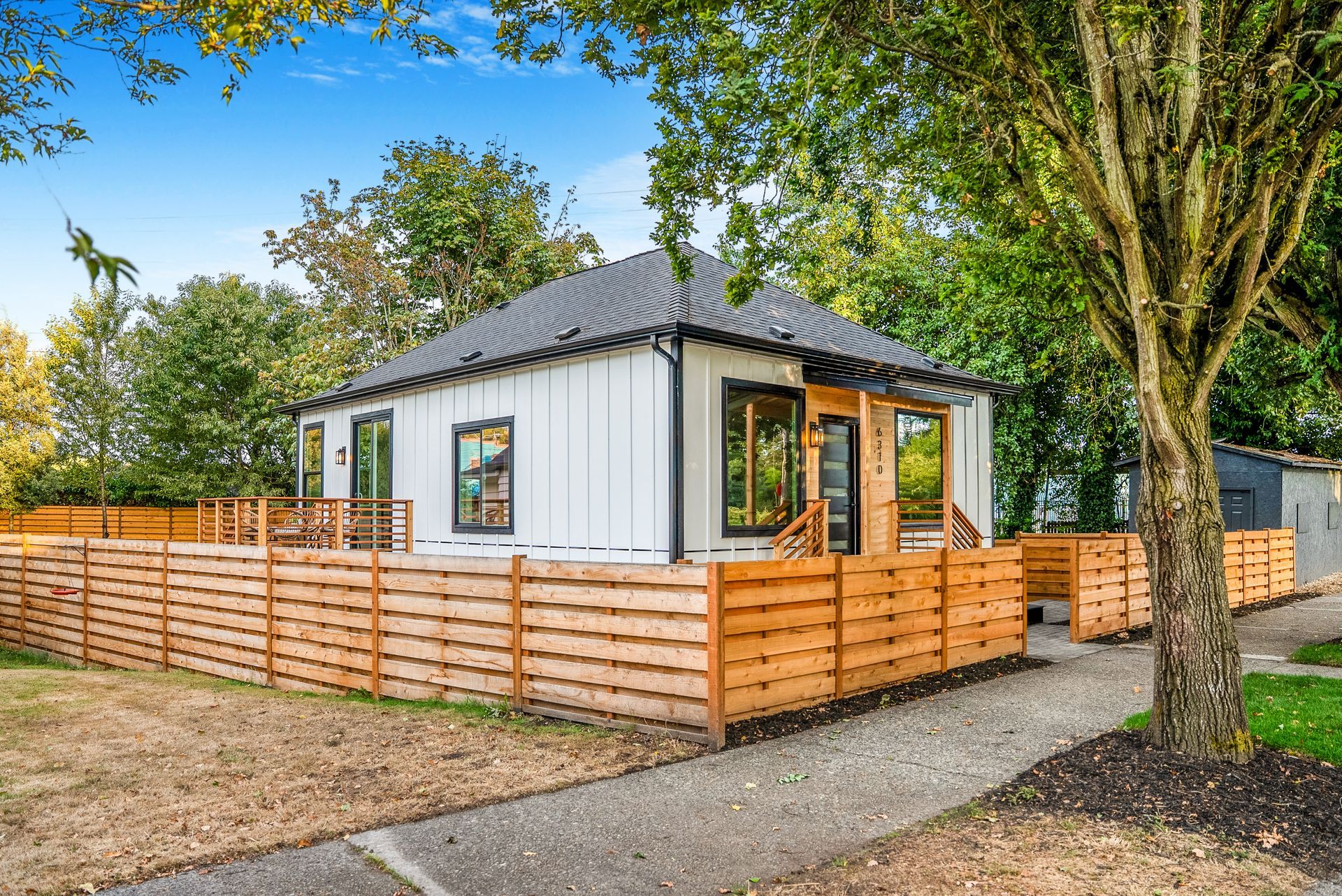
Choosing the Right Siding Contractor
Selecting a reliable siding contractor is essential for a successful project. Look for:
- Proven experience with weatherproofing in Seattle.
- Strong references and past project examples.
- Transparent pricing and clear contracts.
- Knowledge of local building codes and permitting processes.
Hiring professional adu contractors (or siding specialists) ensures that your investment is protected and your home remains durable and beautiful for years.
Common Mistakes to Avoid
Contractors often see similar mistakes homeowners make when DIY-ing siding projects:
- Skipping moisture barriers or ventilation layers.
- Using substandard fasteners or sealants.
- Neglecting edges, corners, or trim during installation.
- Failing to inspect and maintain siding regularly.
These mistakes can compromise weatherproofing, leading to costly repairs down the line. Professional siding contractors know how to avoid these pitfalls.
Long-Term Benefits of Professional Siding
Investing in expert siding installation provides long-term benefits:
- Protection from rain, wind, and temperature changes.
- Reduced risk of mold, rot, and structural damage.
- Lower maintenance costs over time.
- Improved home energy efficiency.
- Increased curb appeal and property value.
Seattle homeowners often find that the initial investment pays off through savings on repairs, energy bills, and enhanced property value.
Adding Value Through Modern Upgrades
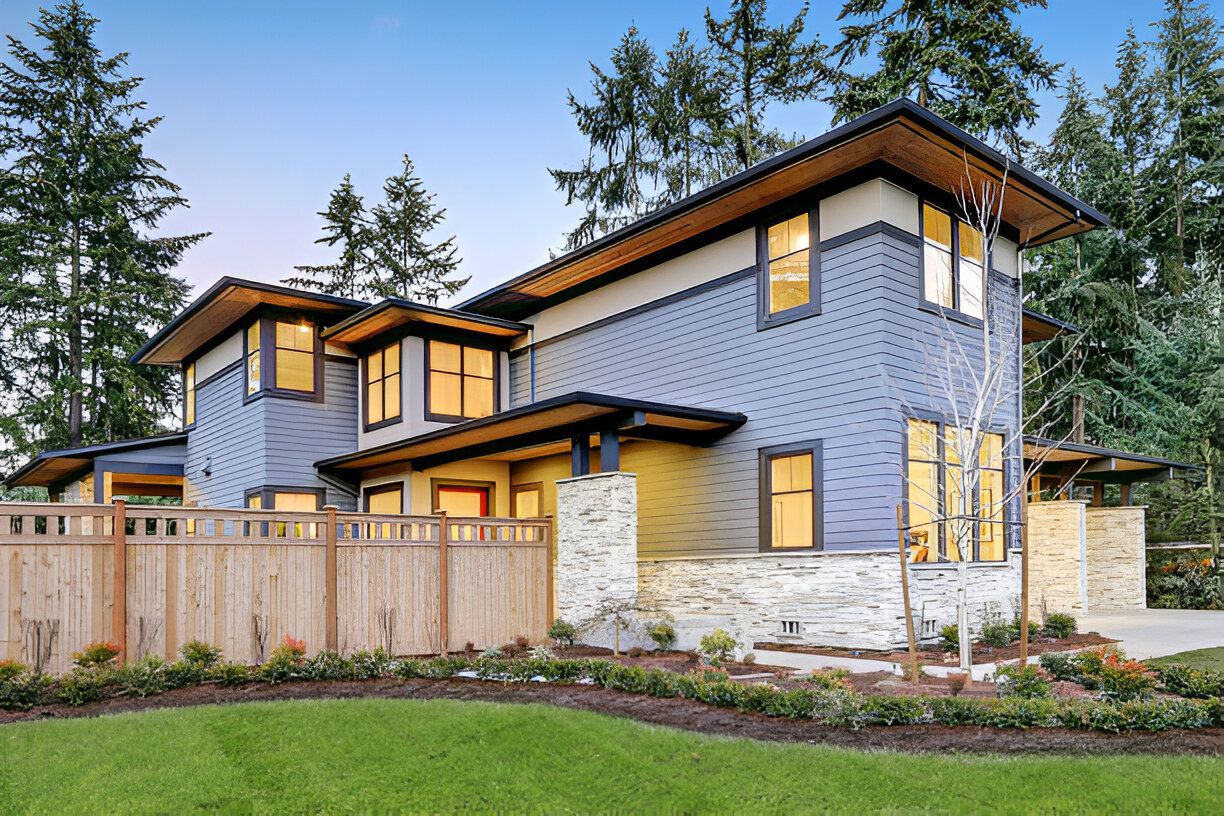
Modern siding options offer more than protection. Contractors often suggest upgrades like:
- Insulated panels for better energy efficiency.
- Textured or patterned siding for a unique look.
- Low-maintenance materials that reduce long-term upkeep.
These enhancements make homes both functional and attractive, appealing to potential buyers if you ever decide to sell.
Maintenance Tips from Contractors
Even after professional installation, contractors advise ongoing care:
- Clean siding twice a year to remove dirt and algae.
- Check caulking and seals for cracks or gaps.
- Inspect for mold or mildew near moisture-prone areas.
- Trim plants or trees that touch the siding to prevent damage.
These small steps extend the life of your siding and maintain its protective qualities.
Final Thoughts
Weatherproofing your home in Seattle is about more than aesthetics—it’s about safety, durability, and long-term value. Experienced siding contractors Seattle combine knowledge of materials, proper installation techniques, and local climate considerations to protect homes effectively.
From selecting the right siding material to ensuring proper ventilation, sealing, and insulation, contractors handle every step with precision. They also help homeowners maintain their investment, ensuring homes remain dry, energy-efficient, and visually appealing for years.
For Seattle homeowners looking to enhance both the look and function of their homes, professional siding installation is a smart choice. By relying on skilled contractors, you can safeguard your property against rain, wind, and the challenges of the Pacific Northwest climate.
See also:
Can New Siding Lower Your Energy Bills This Year?
Frequently Asked Questions (FAQs)
1. What type of siding is best for Seattle’s rainy climate?
Fiber cement siding and high-quality vinyl siding are top choices for Seattle homes. They resist moisture, rot, and insects, making them ideal for the Pacific Northwest’s wet weather. Metal siding is also durable and low-maintenance.
2. How often should siding be inspected in Seattle?
Contractors recommend inspecting siding at least twice a year—ideally in spring and fall—to check for warping, cracks, gaps, or mold. Extra inspections are wise after heavy storms or high winds.
3. Can I install siding myself to save money?
While DIY siding installation is possible, it’s risky in Seattle’s climate. Poor installation can trap moisture and cause long-term damage. Professional siding contractors ensure proper sealing, ventilation, and compliance with building codes.
4. How does siding improve energy efficiency?
Insulated siding and proper installation help retain indoor heat in the winter and keep interiors cooler in summer. Adding foam insulation beneath siding can significantly reduce energy costs in Seattle’s colder months.
5. What is the average lifespan of siding in Seattle?
With quality materials and regular maintenance, siding in Seattle can last 20–50 years depending on the type. Fiber cement often lasts the longest, while wood siding requires the most upkeep.
6. How do contractors prevent moisture damage behind siding?
They install weather-resistant barriers (WRBs), provide ventilation gaps, and use flashing around windows and doors to direct water away from the structure.
7. Will siding installation boost my home’s value?
Yes. Professionally installed, durable siding can significantly enhance curb appeal, reduce maintenance needs, and increase resale value—especially in competitive Seattle neighborhoods.
8. Is wood siding a bad choice for Seattle?
Not necessarily—it offers timeless charm but needs frequent sealing, painting, and inspections to prevent rot and decay in the damp climate.
9. How much does professional siding installation cost in Seattle?
Costs vary based on material type, home size, and complexity, but quality siding installation typically ranges from $8–$15 per square foot in Seattle.
10. What are common siding mistakes homeowners make?
Skipping moisture barriers, using low-quality sealants, neglecting ventilation, and failing to maintain siding regularly can lead to costly repairs.


We Offer All the Services You Need in One Place! We Will Save You Time and Money!
Call Us at (425) 332-8088 Now to Get a Free Estimate or a Free Consultation for Any of Our Services!