
Spray Foam vs. Fiberglass vs. Cellulose: Which Insulation is Right for You?
Choosing the right insulation is key for your home's energy bills, comfort, and safety. Spray foam, fiberglass, and cellulose each have their own benefits. Knowing how they handle heat, air, moisture, and sound helps you make the best choice. Experts in spray foam insulation services can help you decide.
Key Takeaways
- Insulation materials differ in how they block heat transfer and airflow.
- Spray foam, fiberglass, and cellulose each handle moisture and sound differently.
- Energy efficiency depends on material selection and installation quality.
- Spray foam insulation services provide tight seals for air leakage control.
- Cost and environmental impact vary between insulation types.
Exploring the Science of Insulation
Insulation slows down heat transfer and blocks air movement. It also controls moisture and sound. Knowing this helps pick the best material, like spray foam, for better home performance.

How Insulation Controls Heat
Heat moves through conduction, convection, or radiation. Insulation materials resist this heat transfer. Spray foam insulation services use closed-cell structures to trap air.
This creates high R-value barriers that reduce heat loss or gain. Denser materials like spray foam stop heat flow better than fibrous options.
Managing Air Flow with Insulation
Air leaks waste energy. Proper insulation seals gaps where air escapes. Spray foam insulation services fill cracks tightly, preventing drafts.
Sealed spaces reduce heating/cooling costs and improve comfort. Material density and installation quality are key factors.
The Role of Insulation in Moisture and Sound Regulation
Moisture buildup causes mold and rot. Insulation with vapor barriers, like spray foam, manages humidity levels. Sound travels through open spaces.
Dense insulation materials absorb noise, enhancing acoustics. Spray foam’s air-sealing properties also reduce sound transmission between rooms.
Understanding Spray Foam Insulation Services
Spray foam insulation services are a modern way to make homes more efficient. It's applied as a liquid that expands to fill gaps, creating a tight seal. This stops air leaks, saving energy and cutting down on bills.
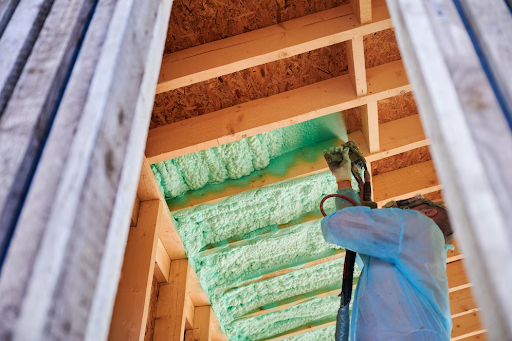
There are open-cell and closed-cell types for different needs. Closed-cell foam keeps moisture out, great for wet climates. Open-cell foam makes rooms quieter by reducing sound. Both last longer than old insulation methods.
"Spray foam’s ability to conform to irregular surfaces ensures full coverage without gaps," noted industry analysts.
Experts use special gear to work with the chemicals safely. The main benefits are:
- Up to 30% less energy use
- Resists pests and decay
- Keeps indoor temperatures steady
When choosing spray foam insulation services, check the contractor's credentials. Look for certifications like SPF Contractor Certification from the Spray Polyurethane Foam Alliance. This ensures the job is done right and meets building codes.
Today's homes and businesses get a lot from spray foam. It's perfect for both new builds and updating old places. Spray foam offers unmatched energy savings.
Comparing Fiberglass and Cellulose Options
When choosing between fiberglass and cellulose insulation, it's important to know their differences. Both materials help keep your home warm but have different structures and effects on the environment. Spray foam insulation services are another option, but let's look at how these two compare.
Material Composition and Benefits
Fiberglass is made of fine glass strands, treated to resist fire. It can handle moisture but might settle, making it less effective over time. Cellulose, on the other hand, is from recycled paper pulp and has borate additives for fire and pest protection. It's dense, eco-friendly, and cost-effective for attics or walls.
- Fiberglass: Lightweight, easy to install in open spaces.
- Cellulose: Higher R-value per inch, ideal for tight spaces.
Performance in Different Environments
Fiberglass doesn't do well in humid climates because moisture weakens it. Cellulose, being denser and less permeable, handles humidity better but can absorb moisture over time. Neither material can match the airtight seal of spray foam insulation services, which blocks air leaks completely.
“Fiberglass and cellulose have their strengths, but spray foam outperforms in extreme temperature fluctuations,” says the Insulation Materials Institute.
In cold areas, cellulose's high R-value keeps your home warm. In dry climates, fiberglass's light structure might leave gaps, reducing efficiency. Experts suggest using spray foam insulation services in key areas like basements to get the best of both worlds.
Evaluating Energy Efficiency Through Insulation Choices
Energy efficiency depends on how well insulation handles heat, airflow, and moisture. Spray foam insulation services are top-notch because they seal airtight, cutting down on drafts. This means less energy is wasted.
Unlike fiberglass or cellulose, spray foam fills all gaps. This can lower heating and cooling needs by up to 30% in many homes.
- High R-value ratings of spray foam block thermal transfer effectively.
- Air sealing cuts down on HVAC overuse, lowering monthly bills.
- Moisture resistance prevents mold growth, avoiding hidden energy waste from dehumidifiers.
Studies show homes with spray foam insulation keep a steady temperature all year. This means less work for heating and cooling systems. It also makes them last longer.
Closed-cell spray foam creates a tight seal that fiberglass can't match. This leads to long-term savings. Using less energy is good for the planet and your wallet.
Efficient insulation isn’t just about staying warm—it’s a long-term investment in energy independence.
Choosing spray foam insulation is also eco-friendly. It reduces energy use and greenhouse gas emissions. With the right installation, these materials save energy and keep you comfortable for years.
Installation Best Practices for Optimal Performance
Properly installed spray foam insulation services save energy and keep you comfortable. Skipping key steps can lower performance. So, follow these tips for the best results.
Preparation Steps Before Installation
First, clean the area and make sure it's well-ventilated. Seal any cracks to stop air leaks. Check that your equipment fits the job and the materials.
Experts use moisture meters to check walls or attics before starting.
Key Techniques for Effective Installation
- Apply foam in multiple thin layers to avoid oversaturation
- Use calibrated spray equipment for consistent thickness
- Allow full curing time per manufacturer specifications
Technicians adjust the spray to fit odd shapes. This ensures every space is covered without gaps.
Safety Considerations and Compliance
Workers must wear full PPE, including respirators and chemical-resistant gear. Always follow OSHA guidelines for ventilation. Make sure you meet local building codes before starting.
Regular checks during installation find problems early. This saves money on repairs later.
Professional spray foam insulation services providers use digital tools for safety and efficiency checks. This ensures they meet all standards.
Cost Analysis of Different Insulation Materials
Choosing insulation means looking at the cost now and the benefits later. Spray foam insulation services might cost more at first than fiberglass or cellulose. But, they save money in the long run. Let’s look at the numbers.
- Upfront Costs: Spray foam costs $1.50–$3.50 per square foot. Fiberglass is $0.50–$1.50, and cellulose is $0.75–$1.50.
- Installation: Spray foam needs special tools and certified workers, which adds to the cost. Fiberglass and cellulose are easier to put in, saving on labor.
- Long-term Savings: Spray foam insulation services can cut heating and cooling bills by up to 20% each year. This saves a lot of energy over time.
A 2023 study by the U.S. Department of Energy showed homes with spray foam kept 50% more energy efficient for 20 years. While fiberglass might be cheaper upfront, it has a lower R-value. This means higher energy costs over time. Spray foam’s tight seal also cuts down on drafts, saving on bills.
The return on investment (ROI) varies by climate and how much you use it. In colder areas, spray foam pays off in 5–8 years because it uses less heat. Spray foam insulation services also last longer, up to 25 years, compared to fiberglass’s 10–15 years. Cellulose breaks down faster in humid places, needing to be replaced sooner.
For instance, a 2,000 sq ft home with spray foam might cost $3,000–$7,000 at first. Over 10 years, it could save $6,000–$12,000 on energy. This is more than fiberglass, which costs less but saves less money over time.
Addressing Moisture and Sound Control in Your Space
Insulation is more than just keeping warm. Spray foam insulation helps keep your home healthy and comfy. It controls moisture and noise levels.
Preventing Mold and Dampness
Mold and dampness love moisture. Spray foam insulation services fill gaps, keeping humidity out of walls and attics. This brings many benefits:
- Air-tight seals that stop water vapor entry
- Reduces condensation on cold surfaces
- Prevents wood rot and structural damage
Enhancing Acoustic Comfort
Outside noise or sounds from next door can be a nuisance. Spray foam's thick structure absorbs sound. This can cut down noise by up to 50%, making your space quieter.
Choosing open-cell spray foam in living areas boosts this effect. For lasting protection, get in touch with certified experts. They'll check your home and suggest the best solutions.
Integrating Insulation with Commercial Roofing Services
Insulation and commercial roofing services work together to make buildings more energy-efficient. They create a strong building envelope. This envelope protects against heat, moisture, and stress.
Roof contractors who specialize in this area can mix insulation materials like spray foam or fiberglass with roofing systems. This mix helps roofs last longer and saves energy.
- Energy savings: Insulation under roofs keeps buildings warm in winter and cool in summer. This lowers HVAC costs.
- Longevity: Together, roofs and insulation resist water and UV damage. This protects insulation from breaking down.
- Compliance: Roofing services make sure materials meet building codes and green standards.
“A well-integrated roof and insulation system reduces thermal bridging, maintaining consistent temperatures year-round.”
Roof contractors check roofs to suggest the best insulation. For example, spray foam sticks to uneven surfaces, and rigid board insulation adds strength. Proper installation by experts prevents performance issues.
Working with skilled commercial roofing services can also get you tax breaks. This is because of the improved energy ratings.
Choosing the right commercial roof contractors means pairing materials like TPO or EPDM membranes with insulation. This tackles climate-specific challenges. Regular checks by these experts keep roofs and insulation in top shape over time.
Conclusion
Choosing the right insulation is all about finding a balance. It's about energy efficiency, cost, and how it affects the environment. Spray foam insulation is great because it seals air tight and saves money over time. It's perfect for places with really hot or cold weather.
Fiberglass and cellulose are cheaper and better for the planet. But, spray foam's ability to stop air leaks and control moisture makes it a better choice in some cases.
Getting professionals to install spray foam is key. They make sure it meets building codes and is safe. If you want your home or business to last longer and use less energy, talk to certified spray foam services. They can give you a plan that fits your property's needs, making it more comfortable and green.
In the end, your choice depends on your climate, budget, and what you want in the long run. Whether you choose spray foam or something else, making an informed decision is important. Quality installation and the right materials mean your insulation will keep your space comfortable and save energy for years.
FAQ
What are the benefits of spray foam insulation compared to fiberglass and cellulose?
Spray foam insulation seals air better than other types. It stops heat, moisture, and sound from getting in. It also fills gaps, making your space more energy-efficient and comfortable.
How does insulation impact energy efficiency?
Good insulation keeps your home warm in winter and cool in summer. This means you use less energy for heating and cooling. You'll save money and stay cozy indoors.
What is the installation process for spray foam insulation?
First, clean the area where you'll apply the foam. Then, use special equipment to spray it on. Always follow safety rules and standards for the best results.
Can commercial roofing services help with insulation integration?
Yes, they play a big role in adding insulation to your roof. Working with roof contractors ensures your insulation works well with your roof. This makes your building last longer and use less energy.
How do I choose the right insulation for my commercial building?
Think about your building's design, the weather, and how much you want to save on energy. Roofing and insulation experts can guide you. They'll help you pick the best insulation for your needs.
What are the long-term savings associated with different types of insulation?
While insulation costs vary, high-quality options like spray foam save you money in the long run. They help you use less energy, which saves you money over time.
How does insulation affect indoor air quality?
Insulation controls moisture and air, which stops mold and improves air quality. Spray foam, in particular, makes your building tighter. This reduces allergens and pollutants, making your air cleaner.
What should I look for in a commercial roof contractor regarding insulation installation?
Choose a contractor with experience in insulation and roofing. They should know about different materials and how to meet building codes. This ensures your insulation and roof work well together.



We Offer All the Services You Need in One Place! We Will Save You Time and Money!
Call Us at (425) 521-7916 Now to Get a Free Estimate or a Free Consultation for Any of Our Services!