
The Science of Insulation: How It Controls Heat, Air, Moisture, and Sound
Modern homes need insulation to keep things comfortable inside and out. It helps manage heat, blocks air leaks, stops moisture buildup, and cuts down on noise. Spray foam insulation is a great example of this science in action.
It uses chemistry to seal gaps and keep temperatures steady. This article explains how these technologies make our homes better and save energy.

Key Takeaways
- Insulation science uses physics to control heat transfer, airflow, and sound.
- Spray foam insulation services form airtight barriers to enhance energy efficiency.
- Moisture control in insulation prevents mold and structural damage over time.
- Advanced materials like spray foam also reduce noise between rooms and exterior noise.
- Proper insulation directly lowers heating and cooling costs for homeowners.
Understanding the Science Behind Insulation
Insulation works by controlling how energy moves through materials. It starts with the basics of thermal dynamics, which studies heat movement. This science helps us understand how insulation keeps us comfortable indoors.
The Basics of Thermal Dynamics
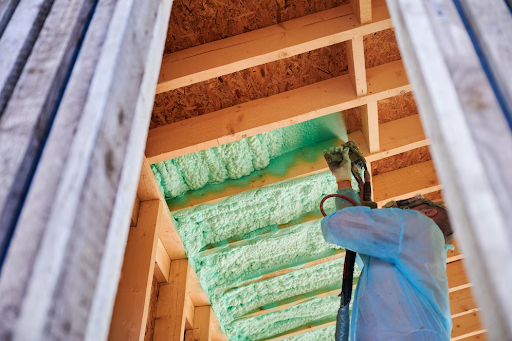
Heat moves in three main ways: conduction, convection, and radiation. Insulation stops these processes. For example, fiberglass creates air pockets to slow down heat flow. Spray foam blocks air to stop heat from moving.
Radiation barriers, like foil, reflect infrared energy. This keeps us cool.
How Insulation Works in Different Environments
In cold places, insulation helps keep warmth in. In hot areas, it keeps cool air in. In humid places, it stops moisture to avoid mold.
Today's systems adjust to these needs. They make sure insulation performance is top-notch everywhere.
The Role of Insulation in Temperature Regulation
Insulation is key to keeping your home's temperature steady all year. It slows down heat transfer through walls, roofs, and floors. Materials like fiberglass, cellulose, and spray foam act as barriers against harsh outdoor weather.
These barriers stop heat from moving through solid materials and block drafts. This helps keep your home cozy and comfortable.
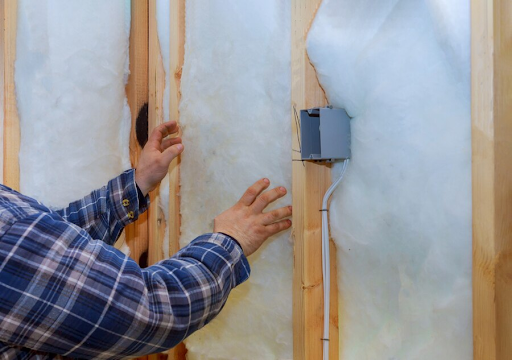
Good insulation blocks all three ways heat moves: conduction, convection, and radiation. It traps air pockets to slow down heat transfer. Reflective barriers fight off radiant heat, and proper installation stops air movement.
Modern insulation also keeps moisture out to prevent mold. Mold can damage insulation and make your home less comfortable.
"Properly installed insulation reduces heating and cooling needs by up to 20%, lowering energy bills and emissions."
Different materials work best in different climates. Fiberglass batts are good for moderate areas, while spray foam is best in humid places. Each material has an R-value, which shows how well it blocks heat.
Upgrading your insulation makes your home more comfortable. It also means you use your HVAC system less. This helps save energy and meets your conservation goals.
Controlling Air Movement for Enhanced Comfort
Insulation systems need to control air movement for comfort. Air leaks through cracks waste energy and mess with temperature. Sealing and barriers stop drafts and keep temperatures stable.
Air Barriers and Their Importance
Air barriers seal buildings to stop air leaks. They use materials like foam or sheathing to block drafts. These barriers also let moisture out.
They save energy by keeping heat in winter and out in summer. They also keep pests and moisture out, preventing mold.
Techniques to Minimize Air Leakage
Sealing requires specific methods to fix leaks. Here are some:
- Weatherstripping around doors and windows
- Caulking gaps in exterior trim and siding
- Sealing foundation cracks with polyurethane foam
- Upgrading attic hatches with insulated covers
Blower door tests find hidden leaks. Using these steps with ventilation keeps air flowing right. Spray foam and gaskets keep homes sealed over time.
Moisture Management with Advanced Insulation Materials
Keeping homes dry is key to avoiding water damage and mold. New insulation materials handle humidity and water vapor well. They keep walls and attics dry while saving energy.
- Vapor barriers stop water vapor from seeping into walls, preventing condensation.
- Rigid foam boards resist moisture absorption, ideal for high-humidity areas like bathrooms.
- Hydrophobic insulation repels water naturally, maintaining thermal performance even in wet conditions.
Materials like closed-cell spray foam seal gaps while managing humidity levels. They ensure buildings last longer. New breathable membranes let structures "breathe" while keeping liquid water out.
Builders focus on moisture-resistant materials to meet codes and save on repairs. Studies show homes with these barriers see mold drop by up to 70%. Now, insulation is designed to control moisture at every level, from foundation to roof.
Soundproofing Benefits of Modern Insulation
Today's insulation materials fight noise pollution with great skill. They use thick layers of fiberglass, acoustic foam, and special barriers. These block sound waves, making homes and offices quieter.
How Insulation Reduces Noise Pollution
Sound moves through vibrations. Insulation stops these vibrations with dense fibers or barriers. For example, acoustic fiberglass catches high-frequency sounds, while mass-loaded vinyl (MLV) stops low-frequency noises. If installed right, it seals gaps to keep sound in.
Comparing Soundproofing Materials
- Fiberglass batts: Affordable and simple to put in, good for mid-range noise.
- Acoustic foam panels: Soaks up echoes in studios and gyms, cutting down on reverberation.
- Mass-loaded vinyl: A heavy material, perfect for blocking out traffic or machinery noise.
Choosing the right material depends on the space. Homes might use fiberglass for general noise, while recording studios need acoustic foam. Commercial buildings often use a mix for the best soundproofing benefits.
Spray Foam Insulation Services and Their Impact
Spray foam insulation is both flexible and durable. It's a favorite for commercial insulation solutions and homes. It fits any space, from small corners to big areas, making places more comfortable and efficient.
Key Advantages of Spray Foam
Here's why spray foam stands out:
- Air sealing: Keeps temperatures steady by stopping air leaks.
- Energy savings: Helps lower energy bills by reducing the need for heating and cooling.
- Moisture control: Stops moisture buildup, which can harm buildings over time.
Real-world Applications in Residential Settings
In homes, spray foam is great for tricky spots like attics and wall cavities. It's also used in kitchens and garages to block drafts and boost comfort. A homeowner in Texas saw their energy bills drop by 25% after getting it installed.
For bigger places like office buildings and warehouses, spray foam is a go-to for commercial insulation solutions. It keeps large areas energy-efficient and strong. Its ability to adapt makes it essential in today's building methods.
Efficient Insulation for Homes: Optimizing Energy Use
Insulation in homes is key to saving energy. It stops heat from moving through walls, attics, and floors. This keeps the air inside at a steady temperature. It also makes HVAC systems work less, saving up to 20% on bills, the U.S. Department of Energy says.
- Seal gaps around windows and doors to stop air leaks.
- Choose high R-value insulation—higher ratings mean better thermal resistance.
- Upgrade attic insulation first, where 30% of heat loss occurs in many homes.
In colder areas, closed-cell spray foam is best. It keeps temperatures steady. In warmer places, radiant barriers keep attics cool. A study by the National Renewable Energy Lab shows insulation pays off in 3-5 years.
Brands like Owens Corning and Johns Manville help figure out how much insulation you need. Smart thermostats work with insulation to save more. Regular checks by experts like Energy Star partners keep systems running well.
This strategy also cuts down on carbon emissions. It's a smart move for the future, saving energy and money for years to come.
Commercial Insulation Solutions for Modern Buildings
Modern commercial spaces need insulation that meets their big needs. Offices and factories look for systems that control heat, airflow, moisture, and noise. They also have to follow strict energy codes. Today's solutions mix new ideas with practicality to improve performance and last longer.
"Commercial insulation isn’t just about saving energy—it’s a core part of sustainable building design." – Green Building Council
Innovative Trends in Commercial Projects
New technologies are changing how we make big buildings efficient:
- Aerogel blankets cut down on heat loss in tall buildings.
- Phase-change materials keep data centers cool by storing and releasing heat.
- Acoustic panels with insulation block out machinery noise.
- Self-leveling foam fills gaps in industrial ceilings smoothly.
Solutions Tailored for Office and Industrial Spaces
Offices get acoustic barriers to reduce echoes in open spaces. Industrial places use moisture-resistant fiberglass to stop mold in warehouses. Custom spray foam fits uneven surfaces in factories, making sure there are no leaks.
These systems help meet LEED standards, cutting down on costs and making places more comfortable. Now, commercial insulation is a key asset for businesses.
Choosing a Top-Rated Insulation Company
Choosing the right top-rated insulation company means your home or building gets the best service. Look for firms with a track record in installing materials that control heat, air, and moisture. These companies focus on safety and efficiency, following the science of insulation.
Here are steps to pick a provider:
- Certifications: Check if they have the right licenses and training in insulation standards.
- Reviews: Look at online ratings and what past clients say.
- Warranties: Ask about guarantees for the quality of materials and work.
- Custom Solutions: See if they offer solutions that fit your building’s needs.
"A top-rated insulation company balances technical expertise with customer service," says a leading industry analyst. "They should explain how their materials address specific challenges like noise reduction or energy savings."
Top-rated insulation companies use advanced materials tested for long-term use. Get quotes from several providers to find the best deal. Investing in quality installation now can save you money on energy bills and repairs later. Always ask for references and check project timelines before signing anything.
Environmental and Economic Benefits of Insulation
Quality insulation makes homes more energy-efficient. It saves money and helps the environment. By cutting down on energy waste, you can lower your utility bills and use less fossil fuels.
Reducing Energy Costs Over Time
Good insulation can save you money for years. For instance, homes with R-30 attic insulation can cut heating costs by 20% each year. Over time, this can save you thousands of dollars.
Federal tax credits like the Residential Energy Efficiency Credit can also help. They make your insulation even more cost-effective.
“Proper insulation prevents 40% of a home’s energy loss through walls and attics.” – U.S. Environmental Protection Agency
Long-Term Benefits for the Environment
Using less energy means less greenhouse gas emissions. Modern insulation materials like recycled cotton or soy-based foams are better for the planet. Look for products that:
- Have 80%+ post-consumer recycled content
- Don't use ozone-depleting chemicals
- Are made in carbon-neutral ways
New building codes require insulation that's 30% less carbon-intensive than old fiberglass. These choices help reduce your home's environmental impact without sacrificing comfort.
Conclusion
Insulation science changes how buildings work by controlling heat, air, moisture, and sound. Solutions like spray foam or rigid board insulation keep the inside just right. This is true for homes and offices, making them energy-efficient and comfy all year.
Brands like Owens Corning and Johns Manville lead in new insulation types. Their products cut down on noise and improve air flow, meeting today's building needs. It's key to install them right to avoid wasting energy and to make buildings last longer.
Choosing better insulation saves money and helps the planet. New materials are coming out that handle moisture and sound better. Look for reliable sources to save and be green. Insulation science is key for buildings that are strong and efficient, no matter the weather.
FAQ
What are the benefits of spray foam insulation services?
Spray foam insulation seals air well, cutting down on drafts and boosting energy efficiency. It also keeps moisture out, lowering mold and mildew risks. Plus, it helps make your space quieter.
How does insulation impact energy costs for homes?
Good insulation stops heat from escaping, so your heating and cooling systems work less. This means lower bills over time, saving you money.
What types of commercial insulation solutions are available?
There are many commercial insulation options, like fiberglass, foam board, and spray foam. Each has its own benefits for different settings, improving temperature control and reducing noise.
Why is it important to choose a top-rated insulation company?
Choosing a top-rated insulation company means you get quality installation. This is key for the best energy savings and insulation life. You also get better service and support.
What are the key factors to consider when choosing insulation for my home?
Think about the insulation type (like spray foam or fiberglass), its R-value, and moisture control. Also, consider your area's climate and the installer's skills.
How does advanced insulation help in moisture management?
Advanced insulation, like spray foam, blocks moisture. This keeps your air clean and stops water damage. It's great for your home's health.
Can insulation really help in reducing noise pollution?
Yes, quality insulation absorbs sound, making your space quieter. This is true for both homes and businesses, creating a peaceful environment.
What long-term benefits does proper insulation provide for the environment?
Good insulation cuts energy use, which means less pollution. By choosing efficient insulation, you help the planet and save money on bills.



We Offer All the Services You Need in One Place! We Will Save You Time and Money!
Call Us at (425) 521-7916 Now to Get a Free Estimate or a Free Consultation for Any of Our Services!