

What Flooring Type Works Best for High-Traffic Businesses?
When it comes to choosing flooring for a high-traffic business, durability, ease of maintenance, and aesthetic appeal are key factors to consider. Whether you run a retail store, restaurant, office, or healthcare facility, the right flooring can withstand daily wear and tear while maintaining its appearance and safety. So, what flooring type works best for high-traffic businesses? Let’s explore the top options to help you make an informed decision.
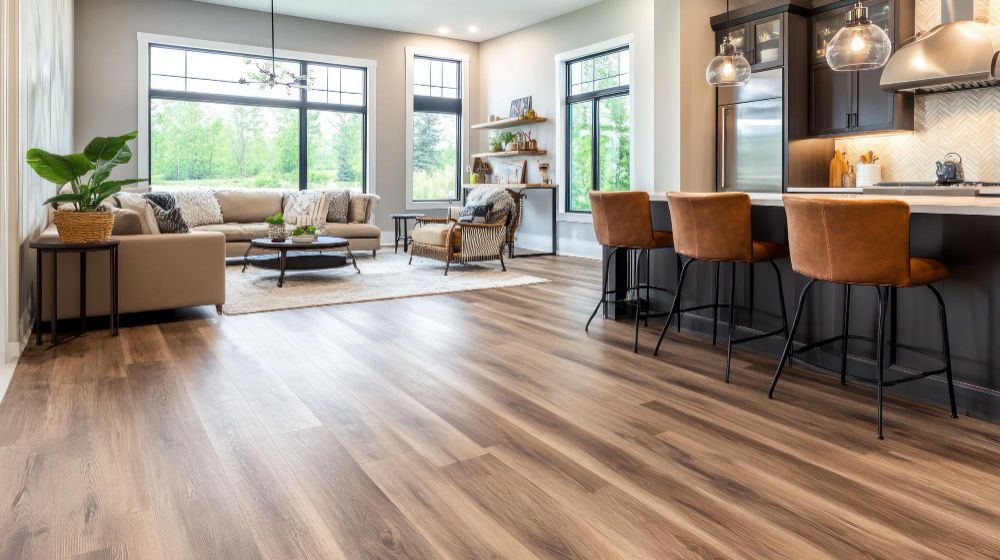
Why Flooring Choice Matters in High-Traffic Commercial Spaces
Flooring in commercial spaces does more than just cover the ground—it plays an essential role in safety, brand image, and operational efficiency. Heavy foot traffic, rolling carts, spills, and dirt can quickly degrade low-quality flooring. Working with experienced commercial flooring contractors ensures you select and install the right material that not only extends the lifespan of your floors but also reduces repair and replacement costs over time.
Key Takeaways: Best Flooring for High-Traffic Businesses
- Durability is critical: Choose flooring materials like luxury vinyl tile (LVT), porcelain tile, polished concrete, or epoxy that can handle constant foot traffic without wearing down quickly.
- Low maintenance saves time and money: Flooring options such as LVT, epoxy, and polished concrete are easy to clean and maintain, reducing long-term upkeep costs.
- Safety matters in busy spaces: Select flooring with slip-resistant properties (like textured porcelain or epoxy with additives) to minimize accidents, especially in wet or spill-prone areas.
- Aesthetics support your brand: The right flooring enhances your business’s visual appeal while maintaining functionality—whether you want a sleek, modern look or a warm, inviting atmosphere.
- Budget wisely for long-term value: Consider not just upfront installation costs, but also lifespan, maintenance, and replacement expenses when selecting flooring for your commercial space.
No single flooring type fits every business—tailor your choice to your industry, environment, and goals for the best results.
Best Flooring Options for High-Traffic Businesses
1. Luxury Vinyl Sheet Flooring
Luxury vinyl sheet flooring (LVS) is an excellent choice for high-traffic businesses that need a seamless, durable, and low-maintenance flooring solution. Similar to luxury vinyl tile, LVS offers impressive durability, versatility, and aesthetic appeal—but in large, continuous rolls rather than individual tiles or planks. This design reduces the number of seams, making it easier to clean and more resistant to moisture infiltration.
Luxury vinyl sheet can replicate the look of natural wood, stone, or even abstract patterns, giving businesses the flexibility to create a stylish, professional environment without the high price tag or maintenance demands of natural materials. Its cushioned backing provides added comfort underfoot, helping reduce fatigue for employees who stand for extended periods.
Benefits:
- Seamless design reduces dirt and moisture buildup
- Scratch and stain-resistant for high durability
- Comfortable underfoot for employee comfort
- Cost-effective with quick, easy installation
Best For: Retail stores, healthcare clinics, salons, hospitality spaces, offices, fitness studios
2. Custom Woodwork Flooring
Custom woodwork flooring brings a warm, sophisticated, and timeless aesthetic to commercial spaces while offering surprising durability when crafted and treated for high-traffic environments. By selecting high-quality hardwood species such as oak, maple, or hickory—and applying commercial-grade finishes—custom wood flooring can handle the wear and tear of busy settings while elevating the design of your space.
Custom woodwork allows businesses to tailor patterns, stains, and inlays that reflect their brand identity, creating a unique, upscale impression for clients and visitors. While wood requires more maintenance than some synthetic materials, proper sealing and periodic refinishing extend its lifespan and beauty. You should take help from professionals for refinishing the wood floor. If you are living in Seattle, hiring experts who offer Hardwood Floor Refinishing Seattle services can restore the charm of your floors and extend their lifespan, ensuring they stay looking pristine despite heavy foot traffic.
Benefits:
- Unique, high-end appearance that enhances brand image
- Can be refinished to restore surface wear over time
- Customizable stains, patterns, and finishes for a personalized look
- Adds warmth and natural elegance to any space
Best For: Boutique hotels, upscale restaurants, law offices, galleries, luxury retail stores
3. Porcelain Tile
Porcelain tile is known for its superior strength and durability, making it one of the toughest flooring materials available for commercial use. It’s dense, hard, and non-porous, providing excellent resistance to moisture, stains, and wear. This makes porcelain tile ideal for businesses exposed to heavy traffic, frequent spills, or harsh cleaning chemicals.
In addition to its durability, porcelain tile offers a wide range of design possibilities. It’s available in numerous colors, sizes, textures, and finishes—from sleek, modern looks to natural stone aesthetics. Its low water absorption rate makes it ideal for wet areas where slip resistance is a concern (when paired with textured or matte finishes).
Benefits:
- Extremely durable and long-lasting, reducing replacement costs
- Water and stain-resistant, ideal for spill-prone environments
- Available in endless styles and finishes to match your brand’s look
Best For: Restaurants, restrooms, hotel lobbies, healthcare facilities, kitchens
4. Polished Concrete
Polished concrete has gained popularity in recent years for businesses seeking a sleek, modern, and industrial aesthetic. Beyond its trendy appearance, polished concrete is exceptionally durable and low-maintenance, standing up to heavy machinery, rolling carts, and constant foot traffic without damage.
Its reflective finish helps improve lighting by bouncing natural and artificial light around the space, reducing energy costs. Polished concrete is also an eco-friendly option, as it utilizes the existing concrete slab rather than requiring additional materials.
Benefits:
- Extremely durable and resistant to scratches, stains, and wear
- Eco-friendly and sustainable, reducing material use
- Cost-effective over time thanks to low maintenance requirements
Best For: Warehouses, retail stores, showrooms, manufacturing facilities, art galleries
5. Epoxy Flooring
Epoxy flooring is a high-performance solution ideal for industrial and commercial settings that demand strength and safety. This flooring system is created by applying an epoxy resin over a concrete base, forming a seamless, non-porous surface that’s resistant to chemicals, stains, abrasions, and moisture.
Its seamless nature makes epoxy extremely easy to clean and maintain, while optional additives can increase slip resistance in wet or greasy environments. Epoxy flooring is highly customizable with color, patterns, and even logos, allowing businesses to enhance branding while protecting their floors.
Benefits:
- Seamless, easy-to-clean surface that prevents dirt and bacteria buildup
- Highly resistant to chemicals, stains, moisture, and abrasions
- Can handle the weight of heavy machinery and constant traffic
Best For: Auto shops, warehouses, hospitals, laboratories, food service facilities, commercial kitchens
Factors to Consider When Choosing Flooring for High-Traffic Areas
When selecting the right flooring for your high-traffic business, it’s important to balance function, durability, and design. Below are the key factors to evaluate before making your decision:
1. Durability
In high-traffic commercial spaces, durability is non-negotiable. Your flooring needs to withstand constant foot traffic, rolling carts, spills, and potential impacts without wearing down quickly. Flooring with high abrasion resistance will maintain its appearance and structural integrity for years, reducing the need for frequent repairs or replacements. Materials like porcelain tile, luxury vinyl tile (LVT), and polished concrete are known for their outstanding durability. Choosing a durable floor ensures your business remains professional-looking even under heavy use.
2. Maintenance
Low-maintenance flooring is essential for busy businesses where cleaning needs to be quick, easy, and effective. Consider how much time and resources will be required to keep your floors clean and in good condition. Flooring options like LVT, epoxy, and polished concrete are popular because they resist stains and can be cleaned with simple mopping or sweeping. In contrast, some natural materials may require sealing or specialized cleaners. The easier the maintenance, the less downtime and cost for your operations. For businesses with hardwood floors, regular hardwood floor refinishing can help maintain their appearance and extend their life, reducing the need for frequent repairs. The easier the maintenance, the less downtime and cost for your operations.
3. Safety
Safety should be a top priority in any commercial environment. High-traffic areas are more prone to slips, trips, and falls, especially in spaces exposed to moisture or spills. Look for flooring materials with slip-resistant properties or coatings to reduce accidents and liability risks. For example, textured porcelain tile or epoxy with anti-slip additives can improve traction in wet conditions. Prioritizing safety features not only protects your customers and employees but also aligns with compliance requirements in certain industries.
4. Aesthetic Appeal
Your flooring plays a big role in shaping your brand’s image and customer perception. It should complement your interior design and reinforce the atmosphere you want to create. A sleek, modern business may benefit from polished concrete or luxury vinyl with a wood-look finish, while a boutique hotel or restaurant might prefer elegant porcelain tiles. The right flooring enhances the overall aesthetic while balancing functionality. Remember: visually appealing floors can leave a lasting impression on customers and contribute to your business’s success.
5. Budget
Cost is always an important factor, but it’s crucial to think beyond the initial installation price. Consider the long-term value of your flooring choice. While some materials may have a higher upfront cost, they can save money over time due to their durability and low maintenance. For example, polished concrete or epoxy may cost more initially but can last decades with minimal upkeep. Evaluate not only material and installation costs but also potential expenses for repairs, cleaning, and replacement down the line. Aim for flooring that offers the best return on investment for your specific business needs.
Final Thoughts
So, what flooring type works best for high-traffic businesses? The answer depends on your specific needs, environment, and budget. For retail stores and offices, luxury vinyl tile or carpet tiles may be ideal. For industrial and healthcare facilities, polished concrete, porcelain tile, or epoxy flooring provide superior durability and performance.
By choosing the right flooring, you’re making a smart investment that enhances your business’s appearance, safety, and long-term savings. Ready to upgrade your commercial flooring? Consult with a professional flooring contractor to explore the best materials for your high-traffic space.


We Offer All the Services You Need in One Place! We Will Save You Time and Money!
Call Us at (425) 332-8088 Now to Get a Free Estimate or a Free Consultation for Any of Our Services!